

¡Consigue esta oferta! Llama ahora.
Hable con un especialista en planes de protección de vehículos y obtenga $300 apagado cualquier nuevo contrato al instante.
Llamar 866-678-4172
o escanea el código a continuación

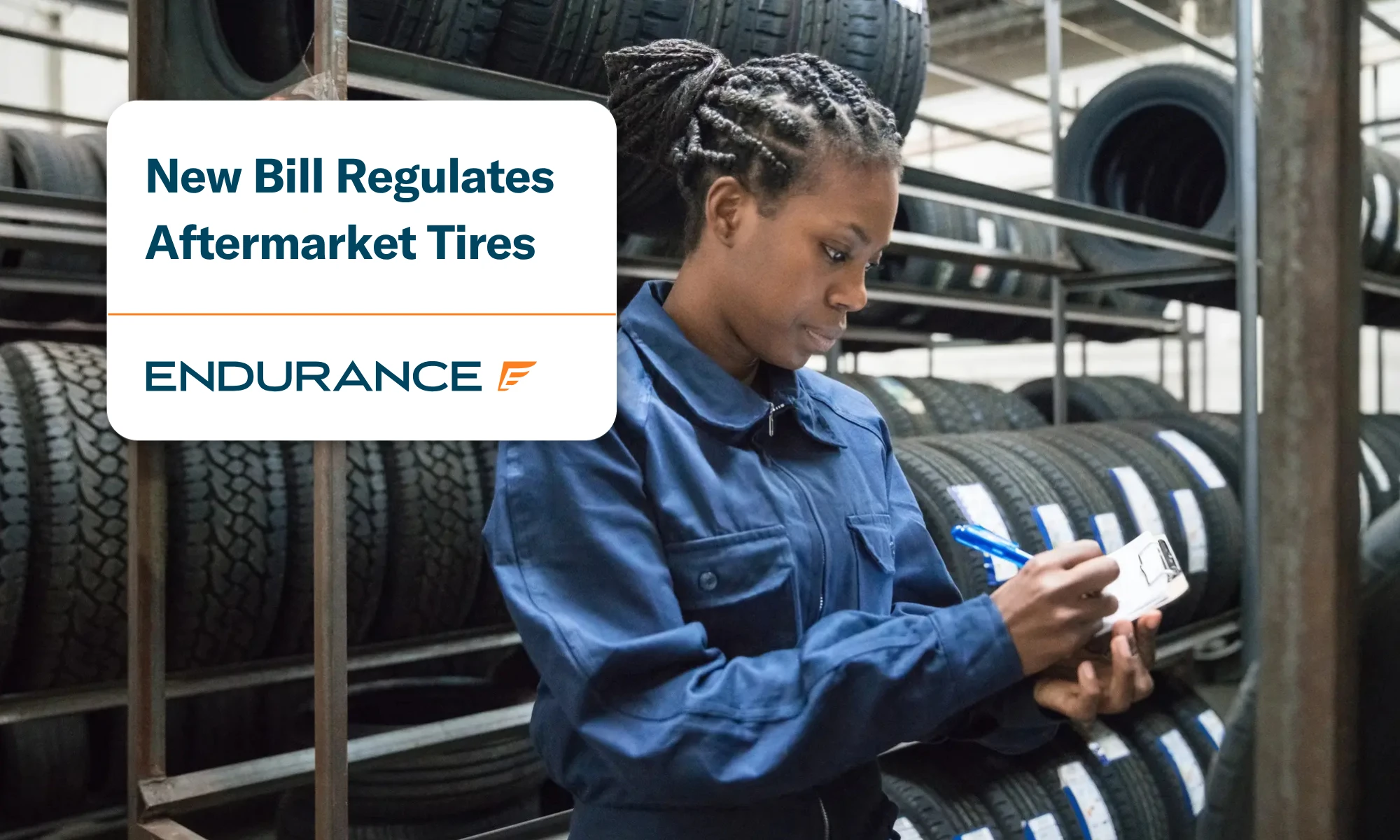
In August 2026, the California Energy Commission (CEC) approved the Replacement Tire Efficiency Program, the nation’s first efficiency standard for replacement tires sold for passenger vehicles and light-duty trucks. The rule requires replacement tires sold in California to be at least as energy efficient, on average, as the tires sold on new cars (aka original equipment tires). The CEC argues that the program will help the environment by reducing pollution and will save California drivers close to $1 billion a year in gasoline and electricity costs.
The tire industry and enthusiasts worry the new rule will lead to higher upfront costs and fewer choices for drivers, especially for people buying high-performance tires. Many Neumáticos de repuesto currently on shelves will not meet the standards required for sale in California once Phase 1 takes effect in January 2029.
Learn more about the Replacement Tire Efficiency Program, what it could mean for California drivers and tire manufacturers, and why having a financial backup plan, like an extended warranty or seguro averia mecanica (MBI), can help you get ahead of unplanned financial headaches.
The regulation will launch in two phases. Phase 1 applies to replacement tires manufactured on or after January 1, 2029, and prohibits the sale in California of tires that don’t meet minimum rolling-resistance and wet-grip standards. Rolling resistance measures the energy that’s lost as a tire rolls, and ultimately affects fuel economy. Simply put, the more efficient a tire is, the less fuel a vehicle uses. The Replacement Tire Efficiency Program eliminates the worst-performing tires from the market.
Additionally, tire manufacturers/brand owners are responsible for testing and reporting tire efficiency data and for providing the CEC with make, model, and size data. This includes wet traction, UTQG treadwear, and Leaf ratings. The data will then be posted to a searchable consumer database and assigned an in-store efficiency rating.
Phase 2, which takes effect in 2033, requires all tires impacted by the regulation to comply with the Energy Performance Standard. Tires will have to meet stricter maximum rolling resistance limits on light-duty truck and passenger tires. Phase 2 will also launch a mandated minimum wet-grip performance requirement.
El CEC has said that the efficiency gap between new-car tires and replacement tires has been costing California drivers close to $1 billion a year in extra fuel and electricity costs. Now that the program is approved, the agency projects it will save drivers roughly that same $1 billion annually once the standards are fully in effect, while cutting CO2 emissions by about 2 million metric tons a year — equivalent to removing roughly 400,000 gas-powered cars from California roads.
The program’s goal is to set higher tire safety standards, so manufacturers produce longer-lasting tires. When tire life is increased, the efficiency gap closes, and California drivers save more money over time.
The CEC also believes that having more efficient aftermarket tires on the road would reduce pollution. Lower greenhouse gas and pollutant levels would improve air quality throughout the state, which supports California’s climate goals and energy-saving policies.
SEMA, an association that represents car and truck enthusiasts, warns that this new rule—which is not a new California bill but an auto industry regulation stemming from Assembly Bill (AB) 844—could mean fewer tire choices and higher prices for drivers. SEMA is especially concerned about the effects the program will have on off-roaders and drivers who want better performance. They anticipate that drivers will have to splurge for more costly OE-equivalent tires that don’t meet their needs or fit their budgets.
The tire industry is equally worried about the safety risks involved. When the main focus is on making tires more fuel-efficient, they may not grip the road as well or last as long, especially in bad weather or on difficult terrain. As a result, it could lead to more serious issues for drivers who need high-traction tires for performance, towing, or off-road use.
In today’s economy, the cost of owning, insuring, and fueling a vehicle can significantly strain an already tight budget. But when other unplanned expenses are added in, like higher per-tire costs, it only increases the financial strain.
Now that the CEC has adopted the Replacement Tire Efficiency Program, many replacement tires currently on shelves will eventually need to meet the new standards to stay on sale in California. The availability of winter, all-terrain, and performance tires may also be limited. Because of this, some drivers may have to go to other states to buy tires or choose ones that aren’t right for their driving needs.
According to AAA, owning and driving a new car costs more than $11,577 each year. In California, these costs are already higher than the national average and could continue to rise due to the new tire rules, ongoing fuel price increases, insurance costs, and registration fees. Any extra maintenance costs make it harder for drivers to save for unexpected breakdowns or, in the worst case, keep their cars running at all. This is particularly true for people who drive older cars and don’t have an extended warranty or auto protection plan to fall back on.
Consider the following replacement costs on a Honda Civic—a popular choice for California drivers:
As car maintenance and fuel costs continue to rise in California, having a financial backup plan to protect yourself from surprise repair bills is critical. Seguro de avería mecánica (MBI), commonly called an extended car warranty, from Endurance can help cover unexpected repair bills and give you 24/7 roadside assistance, trip interruption coverage, and rental reimbursement. With a reliable contract and provider, you can worry less about sudden breakdowns and enjoy your car more.
Endurance is also a direct administrator, which means we connect you with our team directly rather than sending your calls to a middleman or other third party. We handle your claims fast, answer your questions right away, and you always know exactly who you’re working with. We can even customize an MBI plan based on your vehicle and budget.
If you’re a California driver and want to see how much you could save on auto repairs and maintenance by having mechanical breakdown insurance, Endurance can help. Getting a quote is quick and simple, and you can even check out your price and plan options online in our easy-to-use store.
Speak with one of our Endurance representatives by calling (800) 253-8203 to get started. You can also ver tu precio y recomendaciones de planes a través de nuestra tienda online.


Hemos recibido la información de su vehículo y nos comunicaremos con usted en breve con su cotización.
- O -
Comience a buscar un plan de cobertura ahora.


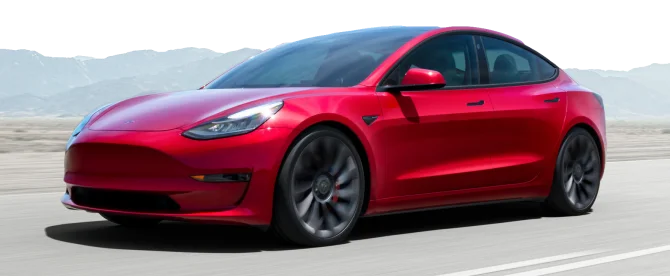
Estamos aquí para asegurarnos de que obtenga la protección EV más completa. Por eso nos hemos asociado con Xcelerate automático para ofrecerle una cobertura Tesla transparente y confiable.
¿Quiere que nos comuniquemos con usted acerca de la cobertura XCare para su Tesla?

Su protección es nuestra principal prioridad. Su cotización está en proceso y usted
recibirá un correo electrónico de confirmación en breve.

Hable con un especialista en planes de protección de vehículos y obtenga $300 de descuento en cualquier contrato nuevo al instante.
¡Ahorros de otoño: $300 de descuento + Beneficios Elite GRATIS durante 1 año!
Al hacer clic en el botón, acepta que Endurance utilice tecnología automatizada para llamarlo, enviarle un correo electrónico y enviarle mensajes de texto utilizando la información de contacto anterior, incluido su número de teléfono móvil, si se proporciona, con respecto a la protección del automóvil o, en California, el seguro contra averías mecánicas. También acepta el Endurance política de privacidad y Términos y condiciones. El consentimiento no es una condición de compra y puede retirar el consentimiento en cualquier momento. Se pueden aplicar tarifas por mensajes y datos.
Hable con un especialista en planes de protección de vehículos y obtenga $300 apagado cualquier nuevo contrato al instante.
Llamar 866-678-4172
o escanea el código a continuación

Simplemente complete la información a continuación y le daremos seguimiento rápidamente con su cotización gratuita y sin compromiso.
Al hacer clic en el botón, acepta que Endurance utilice tecnología automatizada para llamarlo, enviarle un correo electrónico y enviarle mensajes de texto utilizando la información de contacto anterior, incluido su número de teléfono móvil, si se proporciona, con respecto a la protección del automóvil o, en California, el seguro contra averías mecánicas. También acepta el Endurance política de privacidad y Términos y condiciones. El consentimiento no es una condición de compra y puede retirar el consentimiento en cualquier momento. Se pueden aplicar tarifas por mensajes y datos.

Para hablar con un especialista en planes de protección de vehículos y obtener $300 Cancelar cualquier nuevo contrato al instante
Escanee el código a continuación



Alex ha trabajado en la industria de servicios automotrices durante más de 20 años. Luego de graduarse de una de las mejores escuelas técnicas del país, se desempeñó como técnico logrando la certificación de Maestro Técnico. También tiene experiencia como asesor de servicios y gerente de servicios. Leer más sobre alex