

Get this deal! Call now.
Speak with a vehicle protection plan specialist and get $300 off any new contract instantly.
Call 866-678-4172
or scan the code below

Keeping a vehicle for as long as it’s safe to drive is a practical financial decision, but as cars age, questions about safety and reliability become more relevant. Newer vehicles generally offer stronger crash protection and more advanced driver-assistance technology, but that doesn’t mean older models are inherently unsafe.
Understanding what safety features to look for, what to check before buying a used vehicle, and when extended coverage makes sense can help you make a more informed decision about your next car—or the one you’re already driving.
Newer cars are generally safer simply because they haven’t experienced wear and tear and have been tested. Of course, this does not prevent recalls or other potential issues, so it’s not always the case. Conventional wisdom says a brand-new car is generally a bit safer than an older model of the same make.
However, there are essential things you should know:
If you’re purchasing an older car, especially when you don’t know the owner, it’s important to double-check a few things before agreeing to a price. Here are some things you should look out for when buying an older vehicle.
In general, treat a used car purchase with even more caution than a new vehicle purchase, and you should feel confident in your car.
Endurance warranty offers various levels of protection to meet the needs of every driver. If you’re looking for auto protection for your high-mileage vehicle, the Select Premiere contract may be a good fit. This coverage plan is specifically designed for drivers with more than 150,000 miles on their car and who are looking for premium auto protection.
If you don’t have auto protection from Endurance, now is the time to prepare for the unexpected. You can request a no-obligation quote or call (800) 253-8203 to learn about our plans and payment options. When it comes to car maintenance, there’s a lot to think about, and we’re here to help!

We've received your vehicle information and will contact you shortly with your quote.
— OR —
Start shopping for a coverage plan now.


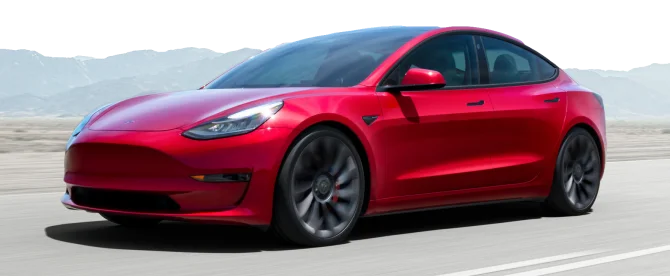
We're here to make sure you get the most comprehensive EV protection. That's why we've partnered with Xcelerate Auto to offer you transparent and dependable Tesla coverage.
Want us to contact you about XCare coverage for your Tesla?

Your protection is our top priority. Your quote is in progress and you will
receive a confirmation
email shortly.

Speak with a vehicle protection plan specialist and get $300 off any new contract instantly.
Spooky Savings: $300 off + FREE Elite Benefits for 1 year!
By clicking the button, you consent to Endurance using automated technology to call, email, and text you using the contact info above, including your wireless number, if provided, regarding auto protection or, in California, mechanical breakdown insurance. You also agree to the Endurance Privacy Policy and Terms and Conditions. Consent is not a condition of purchase, and you can withdraw consent at any time. Message and data rates may apply.
Speak with a vehicle protection plan specialist and get $300 off any new contract instantly.
Call 866-678-4172
or scan the code below

Simply fill out the information below and we will follow up fast with your free no-obligation quote.
By clicking the button, you consent to Endurance using automated technology to call, email, and text you using the contact info above, including your wireless number, if provided, regarding auto protection or, in California, mechanical breakdown insurance. You also agree to the Endurance Privacy Policy and Terms and Conditions. Consent is not a condition of purchase, and you can withdraw consent at any time. Message and data rates may apply.

To speak to a vehicle protection plan specialist and get $300 off any new contract instantly
Scan the code below


The Endurance blog is powered by a team of automotive experts, customer care professionals, and industry writers dedicated to helping drivers make smarter decisions about vehicle protection and ownership. From coverage insights to car care advice, our content is designed to inform and support every stage of the driver journey. For press inquiries, please contact [email protected].