

Get this deal! Call now.
Speak with a vehicle protection plan specialist and get $300 off any new contract instantly.
Call 866-678-4172
or scan the code below

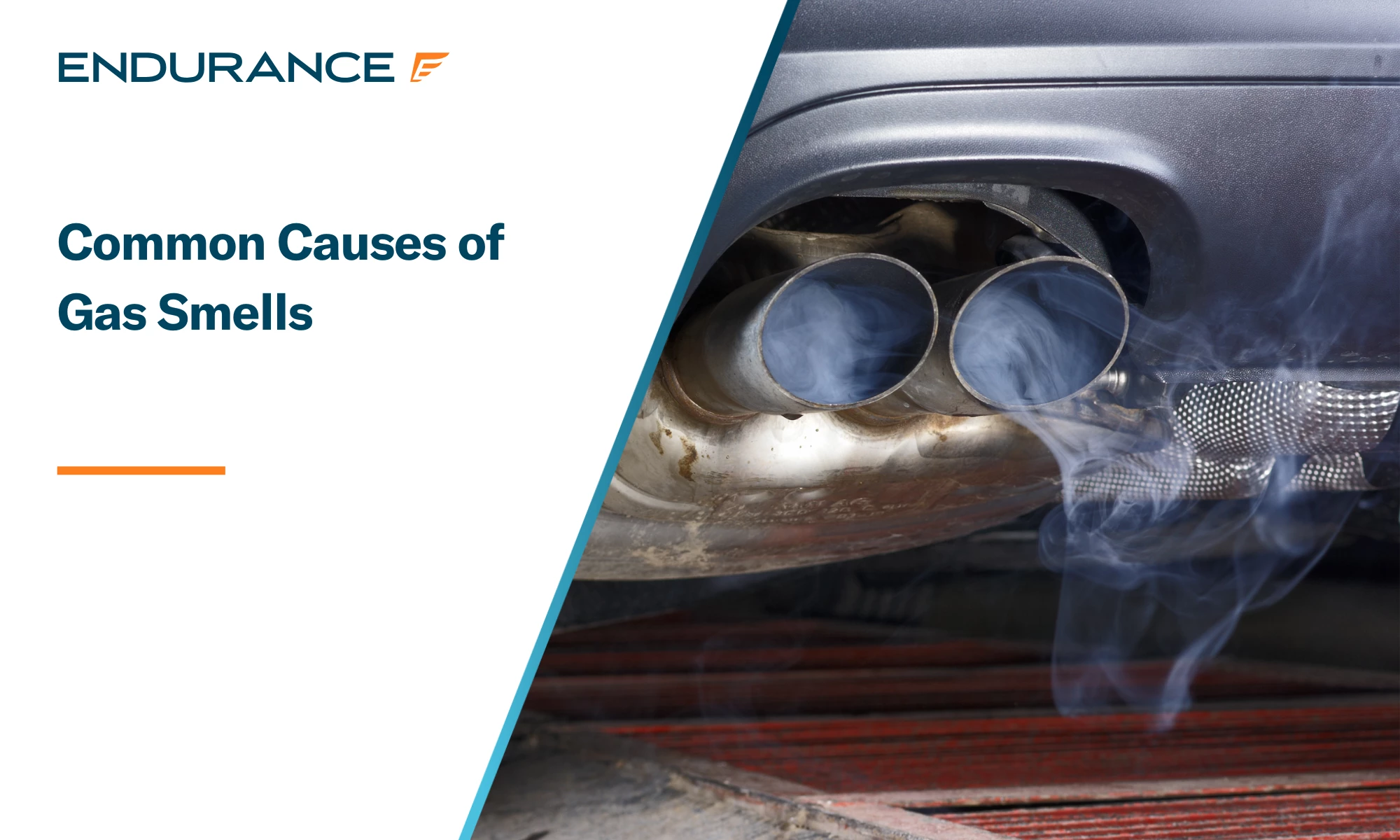
A steady, lingering whiff of gasoline in or around your car is more than just unpleasant. It can actually be a sign of a leaking fuel system, a faulty emissions component, or loose parts. Many common culprits are leaking fuel lines, failing injector O-rings, work tanks and seals, or exhaust leaks. Locating the source of a gas smell is also more challenging in modern cars, as they typically capture and purge fuel vapors such that visible puddles aren’t left behind.
Regardless of the cause, addressing the smell of gas in your car as soon as possible is crucial to ensure nothing serious is amiss. Dive deeper into the common causes of gasoline smells, how to diagnose the issue, and when to contact a professional technician for assistance so that you can keep your car from malfunctioning.
While it may seem unimportant, smelling gas inside vs. outside of your car is a serious distinction. If you smell gas inside the passenger compartment of your car, rather than outside near the tailpipe or fuel filler, you should treat the situation seriously. Inside-cabin gasoline odors can mean vapors have migrated through the cabin vents.
A cracked intake or exhaust component may be drawing fumes into the HVAC system, or a leak under the hood could be seeping into the passenger area. Both these can present an immediate health and safety risk.
Outside gas smells, especially those that dissipate quickly, often have less urgent causes. Still, recurring or concentrated exterior fumes near the rear of the car can indicate a potential leak in the evaporative emissions (EVAP) system or a failure at the fuel tank or pump seal.
Knowing what causes gas smells, or exhaust fumes, is important as gasoline vapors are flammable and can irritate the eyes and respiratory tract. Long or repeated exposure isn’t healthy, so if the smell is strong, avoid smoking or open flames and get your vehicle inspected right away.
While fuel odors can stem from a range of issues under the hood and around your car, there are a handful of recurring problems seen in cars on the road today:
Given the large number of potential causes for a distinct smell of gas in your car, knowing how to diagnose your vehicle and when to get professional help is crucial.
Given the potential health and safety risks of leaving a lingering gas smell unchecked, it’s best to learn how to diagnose the cause yourself, albeit to the extent possible. Below are some quick checks you can tackle when you notice your car smells:
By running a self-diagnosis on your vehicle, you can either solve the issue yourself if minor or point your mechanic in the general correct direction to save them time.
To that end, knowing when to contact a professional is equally as important as knowing how to diagnose the issue and lessen the fire risk. If you notice a strong, persistent smell of gasoline inside the cabin, visible pooling, engine performance issues, or a recall alert for your vehicle referencing a fuel leak in conjunction with the smell, don’t hesitate to take your vehicle in right away.
Repairs to fuel-system components can be expensive. Fuel pumps, injectors, pressure regulators, and associated gaskets or seals are often complicated to repair, which is why the price is high. If the cause of a gas smell in your car is related to such an issue requiring a repair, you may be on the hook for hundreds or thousands of dollars, depending on the extent of the repair.
Some vehicle service contracts or extended warranties, such as those through Endurance, list fuel-system components among covered parts. This can help cap your out-of-pocket expenses for diagnosis and repairs. Specifically, the Superior plan from Endurance offers targeted coverage for the following parts:
The Supreme plan takes things a step further by offering coverage for all parts within this system, including seals and gaskets, with limited exclusions.
In addition to this coverage, Endurance plans also come with one year of Elite Benefits, in addition to standard benefits like roadside assistance. These Elite bonus perks include up to $500 in collision coverage, windshield repair, and reimbursements for up to four tires per year due to road hazards, which can help keep you on the road.
A gasoline smell inside the car is not normal. Anytime you notice it lingering, you should start with a quick gas-cap inspection and visual check to see if anything is noticeably wrong. If you find visible leaks or notice the smell worsening, especially if on the interior, stop driving and get to a professional for an inspection right away.
Take action to protect yourself against surprise automotive costs by investing in a vehicle service contract. To learn which plan may be right for you and your vehicle, contact an Endurance representative at (800) 253-8203 or request a FREE email quote. You can also see your price right away, as well as plan recommendations, through our convenient online store.

We've received your vehicle information and will contact you shortly with your quote.
— OR —
Start shopping for a coverage plan now.


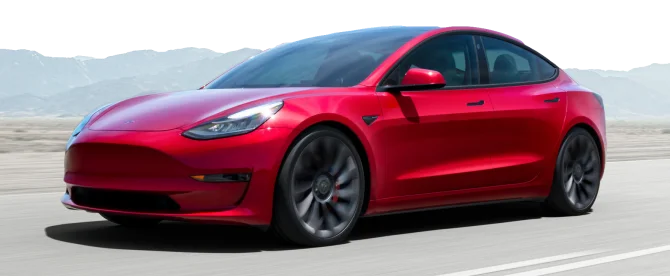
We're here to make sure you get the most comprehensive EV protection. That's why we've partnered with Xcelerate Auto to offer you transparent and dependable Tesla coverage.
Want us to contact you about XCare coverage for your Tesla?

Your protection is our top priority. Your quote is in progress and you will
receive a confirmation
email shortly.

Speak with a vehicle protection plan specialist and get $300 off any new contract instantly.
Call for $300 off any new plan!
By clicking the button, you consent to Endurance using automated technology to call, email, and text you using the contact info above, including your wireless number, if provided, regarding auto protection or, in California, mechanical breakdown insurance. You also agree to the Endurance Privacy Policy and Terms and Conditions. Consent is not a condition of purchase, and you can withdraw consent at any time. Message and data rates may apply.
Speak with a vehicle protection plan specialist and get $300 off any new contract instantly.
Call 866-678-4172
or scan the code below

Simply fill out the information below and we will follow up fast with your free no-obligation quote.
By clicking the button, you consent to Endurance using automated technology to call, email, and text you using the contact info above, including your wireless number, if provided, regarding auto protection or, in California, mechanical breakdown insurance. You also agree to the Endurance Privacy Policy and Terms and Conditions. Consent is not a condition of purchase, and you can withdraw consent at any time. Message and data rates may apply.

To speak to a vehicle protection plan specialist and get $300 off any new contract instantly
Scan the code below



Larry Witherspoon Jr. is a co-founder and Executive Director of the Automotive Training Center. Larry has held multiple leadership positions in the U. S. Navy and with various Fortune 100 companies. In addition to his business experience, Larry grew up understanding the difficulties all young men face becoming adults especially those that come from challenging circumstances. He has taken those experiences growing up and combined them with his passion for vehicles to start the Automotive Training Center. Read more about Larry.