

Get this deal! Call now.
Speak with a vehicle protection plan specialist and get $300 off any new contract instantly.
Call 866-678-4172
or scan the code below
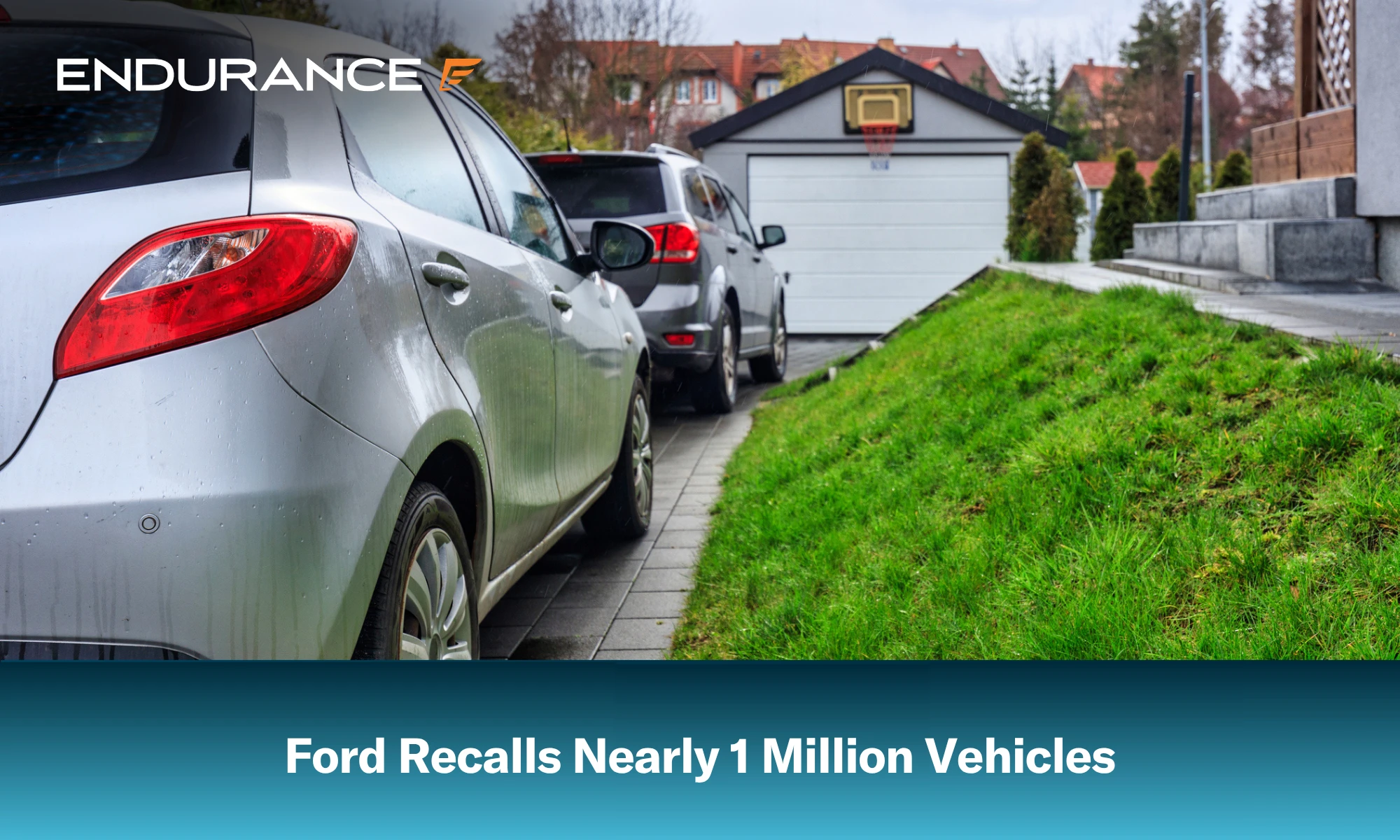
In mid-2026, Ford Motor Company issued two separate recalls covering nearly 1 million vehicles. The first of the two recalls impacted 255,404 Ford Focus models between 2012 and 2018. The second impacted 741,195 vehicles across five models: 2021 Ford F-150, 2020-2021 Ford Explorer, 2018-2021 Ford Expedition, 2020-2021 Lincoln Aviator, and 2018-2021 Lincoln Navigator, though it does not include the Ford Bronco.
Each recall focuses on different problems that can have major ramifications for owners of affected models. Dive into the details of each and check your VIN to see if your vehicle is eligible for a covered repair at a Ford or Lincoln dealer.
The first recall issued covers 255,404 Ford Focus and Focus ST vehicles ranging from model years 2012 through 2018. The issue, as outlined by the National Highway Traffic Safety Administration (NHTSA), traces back to a canister purge valve (CPV) that can stick open. When this happens, excessive vacuum builds up in the fuel system, which can deform the plastic fuel tank and cause the engine to unexpectedly stall while driving.
What makes this recall unusual is that it’s actually a redo fix for something that should have already been handled. These vehicles were originally recalled back in 2018 under NHTSA campaign 18V735, and Ford’s records showed that the vehicles received the repair. However, they hadn’t. The powertrain control module (PCM) software update was never properly installed, so the underlying issue was still present. This new recall exists to correct that gap.
Owners of affected Focus models may notice early warning signs before a stall occurs, such as an illuminated check engine light, an inaccurate fuel gauge reading, or an erratic “distance to empty” display. Ford began mailing owner notification letters in July 2026, and this was also when impacted VINs became searchable on NHTSA.gov.
The second and larger recall covers 741,195 vehicles across five models: 313,147 Ford Explorers (2020-2021), 246,202 Ford Expeditions (2018-2021), 82,570 Ford F-150s (2021), 59,079 Lincoln Navigators (2018-2021), and 40,197 Lincoln Aviators (2020-2021). It involves the transmission’s park system.
Ford has stated that the transmission’s valve body separator plate may limit hydraulic flow to the park valve, which can cause the parking pawl to temporarily engage while the vehicle is moving. This can damage park system components and, if the damage is severe enough, the transmission may not reliably hold the vehicle in park after it’s shut off. This can create a rollaway risk.
Ford estimates that only about 1% of the recalled population actually has the issue, but they’ve already logged 24 allegations of property damage and nine alleged injuries tied to the issue. NHTSA’s Office of Defects Investigation contacted Ford in April 2026 regarding owner complaints about the park system, which prompted Ford’s internal review and subsequent recall.
If a defect is present, you may notice a wrench light on the instrument panel. The electronic parking brake is designed to apply automatically if the transmission’s range sensor doesn’t detect park, but Ford’s internal investigation found the PCM may not always be active after the vehicle has been shut down for awhile.
Interim notification letters are expected to be sent between August 3 and August 7, 2026. Since a permanent hardware and software remedy is still being finalized, final remedy notification letters are expected to be sent in phases during the first half of 2027.
For the Focus recall, dealers will perform a free powertrain control module software update that’s designed to properly detect and prevent the canister purge valve failure issue. The remedy consists of a powertrain control module software update, with no parts replacement required under the recall remedy.
For the park system recall, dealers will update the powertrain control module software, inspect the transmission for existing damage, and replace any damaged components as needed. It will also be covered free of charge for affected owners.
If you own a Ford or Lincoln that may fall within either affected group, there are a few steps worth taking right away:
Both of these recalls address specific manufacturing defects, and Ford is covering the repair costs for each recall at no charge to the owners. However, recall coverage is narrow by design. It doesn’t extend to unrelated mechanical failures, such as A/C system breakdowns, electrical module failures, suspension wear, or transmission repairs that are unrelated to the recalled condition. Those repairs are the responsibility of the owner once a factory warranty expires.
This is an important distinction for Ford owners to understand. The automaker issued six recalls in 2026 as of July, and while recall repairs are free, they don’t say anything about the mechanical wear and tear that happens on a normal vehicle outside of the recall’s scope.
Once a Ford is out of factory warranty coverage, an extended car warranty or vehicle service contract (VSC) can help offset the cost of covered repairs that fall outside recall protection. Whether an air conditioning compressor, electrical module, or transmission issue years down the road, having coverage can help.
Learn more about what to expect from long-term Ford ownership in our Ford Reliability Guide.
Recalls are a reminder that even well-maintained vehicles can develop unexpected problems. However, not every issue comes with a manufacturer’s letter in the mail. An Endurance vehicle service contract is built to pick up where recall coverage and factory warranties leave off, helping to protect you from expensive, unplanned repair bills on covered components.
Contact an Endurance representative at (800) 253-8203 or request a FREE quote. New customers also get Elite Benefits free for one year, covering perks like tire repair and replacement, key fob replacement, and total loss protection.
You can also see your price and explore plan recommendations through our convenient online store.

We've received your vehicle information and will contact you shortly with your quote.
— OR —
Start shopping for a coverage plan now.


We're here to make sure you get the most comprehensive EV protection. That's why we've partnered with Xcelerate Auto to offer you transparent and dependable Tesla coverage.
Want us to contact you about XCare coverage for your Tesla?

Your protection is our top priority. Your quote is in progress and you will
receive a confirmation
email shortly.

Speak with a vehicle protection plan specialist and get $300 off any new contract instantly.
Spooky Savings: $300 off + FREE Elite Benefits for 1 year!
By clicking the button, you consent to Endurance using automated technology to call, email, and text you using the contact info above, including your wireless number, if provided, regarding auto protection or, in California, mechanical breakdown insurance. You also agree to the Endurance Privacy Policy and Terms and Conditions. Consent is not a condition of purchase, and you can withdraw consent at any time. Message and data rates may apply.
Speak with a vehicle protection plan specialist and get $300 off any new contract instantly.
Call 866-678-4172
or scan the code below

Simply fill out the information below and we will follow up fast with your free no-obligation quote.
By clicking the button, you consent to Endurance using automated technology to call, email, and text you using the contact info above, including your wireless number, if provided, regarding auto protection or, in California, mechanical breakdown insurance. You also agree to the Endurance Privacy Policy and Terms and Conditions. Consent is not a condition of purchase, and you can withdraw consent at any time. Message and data rates may apply.

To speak to a vehicle protection plan specialist and get $300 off any new contract instantly
Scan the code below


Based in the San Francisco Bay Area, Trevor is a digital content writer who discovered his love for cars while helping his dad restore a 1988 Mustang GT in their garage. Since 2020, he’s written extensively for the automotive industry, focusing on consumer auto advice, ownership guidance, and practical insights for everyday drivers.