

Get this deal! Call now.
Speak with a vehicle protection plan specialist and get $300 off any new contract instantly.
Call 866-678-4172
or scan the code below

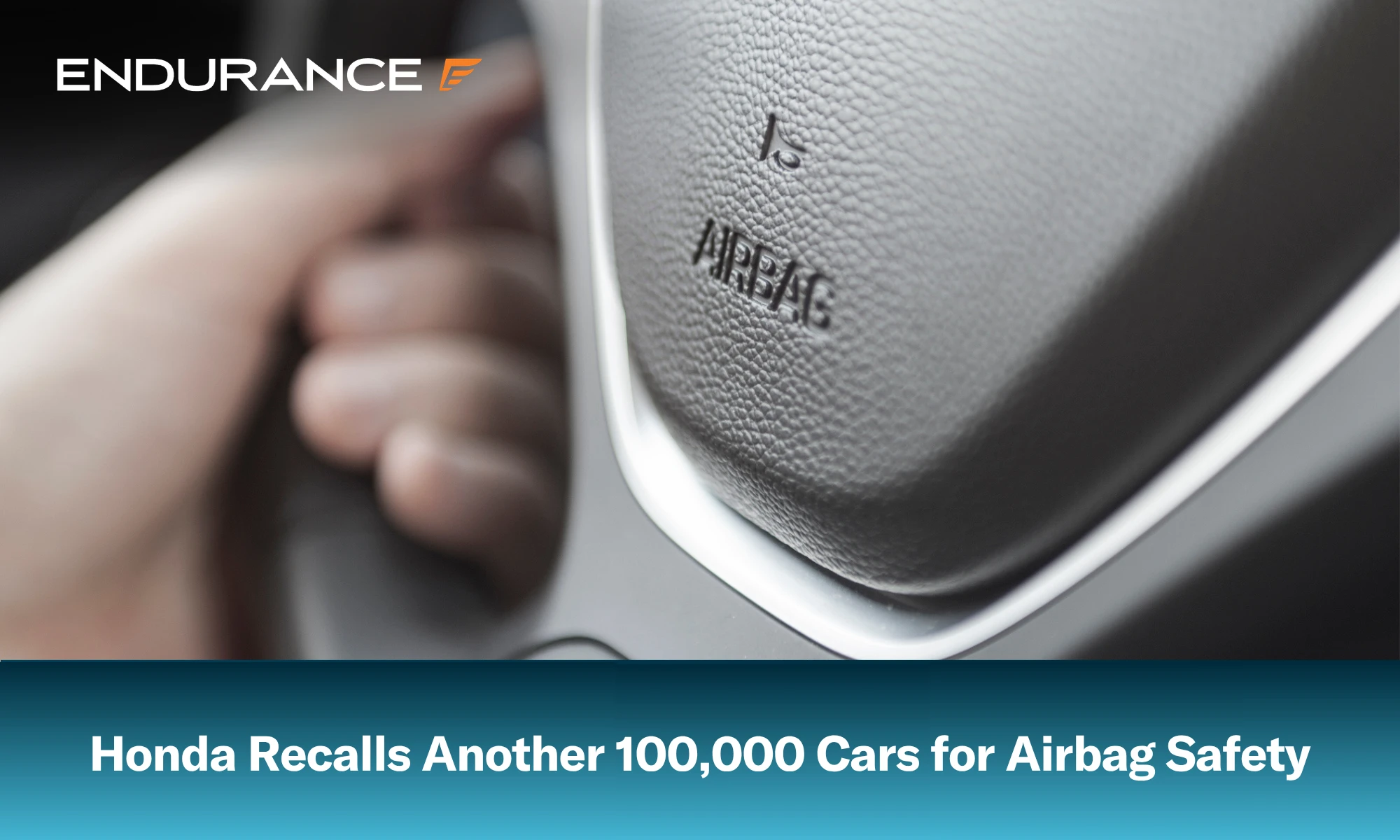
Honda has expanded a 2024 airbag safety recall to cover an additional 98,892 Honda and Acura vehicles. Affected models range from 2016 through 2026, and the expansion occurred when the company identified the original recall campaign had undercounted which cars carried a defective front passenger seat weight sensor.
This faulty sensor can fail to suppress the front airbags for children, infants in car seats, and smaller adults. Combined with the original campaign, the recall now touches approximately 850,000 vehicles in the United States. If you own a Honda or Acura, it’s crucial to learn the scope of the problem and whether or not your vehicle has been impacted.
As mentioned, the expanded recall touches nearly the entire Honda and Acura lineup. This means 18 different models and body-style variants across both Honda and Acura are impacted, spanning model years 2016 through 2026. Since Honda widened the pool only after its supplier found data gaps and tracking errors, the single most reliable way to confirm if your vehicle is impacted is to enter your 17-character VIN on the National Highway Traffic Safety Administration website: NHTSA.gov.
However, the list below summarizes the affected models and model years identified in the recall:
A handful of 2023 and 2025 Ridgeline trucks are also included because of a service part tracking error, even though those years sit outside the main range impacted. This is exactly why a VIN check matters more than a model year list.
Per the NHTSA documents on the recall, the issue starts with the front passenger seat weight sensor. This component, which tells the airbag system who is sitting in the seat, is the primary culprit. After a natural disaster disrupted a secondary supplier’s facility, the primary supplier for the component temporarily switched the base material used for the sensor’s printed circuit board. Whether the substitute would fully hold up wasn’t thoroughly vetted.
The replacement material ultimately put extra strain on the board, leading to a cracked capacitor when exposed to environmental humidity. A cracked capacitor creates an internal short circuit, which stops the system from suppressing the airbag deployment when it should.
Honda’s remedy replaces the defective sensor with units built using the original, verified PCB base material, the same material used in production from January 2022 onward, before the supplier substitution occurred.
Modern airbag systems are designed to read the weight of the front passenger and respond accordingly. When the occupant classification system detects a child, certain child restraints, or another occupant who should not have the front passenger airbag activated, it suppresses deployment of the front passenger airbag as designed. When the sensor short-circuits, that failsafe subtly stops working.
In a crash, the front and knee airbags can deploy at a force calibrated for a full-sized adult. This can directly endanger the occupant that the system exists to shield if they do not meet the weight requirement for deployment. Two dashboard clues can warn you that the issue is present: the SRS airbag warning light may illuminate, or the Passenger Airbag Off indicator may stay dark even when the seat is empty or has a child on it.
Honda is handling the issue as a standard safety recall. Authorized Honda and Acura dealers will replace the defective seat weight sensor with the corrected unit at no cost to the owner. Honda is planning to begin mailing owner notification letters on July 6th, 2026, though affected vehicles are already loaded into the federal database. This means there’s no reason to wait for a letter before acting.
As of the date of that filing, in May 2026, Honda has logged 228 warranty claims tied to the defect. Luckily, there haven’t been any reported injuries or fatalities, but there is no Do Not Drive restriction attached to the recall.
If you own a Honda or Acura that’s within the impacted years, take a few minutes to act now:
You do not need to be the original owner of the vehicle to have the repair done, and it’s a free fix even if your factory warranty has already expired.
It’s easy to assume that a recall protects you broadly, but it actually doesn’t. A safety recall such as this fixes a single, specific manufacturer defect at the automaker’s expense, but that’s where the coverage stops. It does nothing for unrelated mechanical breakdowns that increase as a vehicle ages, such as transmission failures, air conditioning problems, electrical faults, or worn suspensions. Once your factory warranty ends, you’re on the hook for those repairs.
This gap is where an extended car warranty or vehicle service contract (VSC) can come in. A VSC helps cover the cost of qualifying mechanical failures, depending on what plan tier and eligibility you have. Endurance offers a range of plans that may help cover mechanical breakdowns. You can also choose your own mechanic or repair shop through our extensive network of licensed repair facilities across the country.
If you drive a Honda or Acura, it’s worth understanding whether an extended warranty or vehicle service contract is worth the cost for your needs and continued protection. However, recall first, long-term protection second. Get the free sensor fix schedule, then think about implementing guardrails against future failures that no recall will touch.
If your Honda or Acura has fallen past its factory warranty and you want protection on the mechanical failures a recall will never cover, getting started is quick and easy. Contact an Endurance plan advisor at (800) 253-8203 or request a FREE quote.
New customers can also take advantage of a free year of Elite Benefits, which includes tire coverage, key fob replacement, windshield repair, and more. See your price, plan recommendations, and additional benefits right through our convenient online store.

We've received your vehicle information and will contact you shortly with your quote.
— OR —
Start shopping for a coverage plan now.


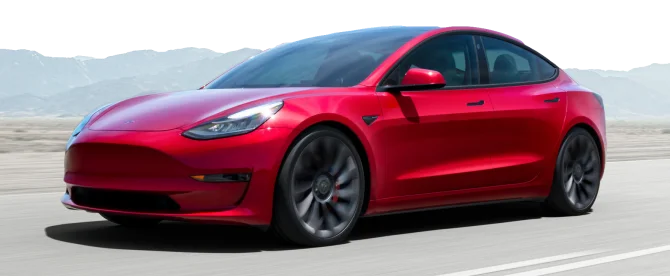
We're here to make sure you get the most comprehensive EV protection. That's why we've partnered with Xcelerate Auto to offer you transparent and dependable Tesla coverage.
Want us to contact you about XCare coverage for your Tesla?

Your protection is our top priority. Your quote is in progress and you will
receive a confirmation
email shortly.

Speak with a vehicle protection plan specialist and get $300 off any new contract instantly.
Spooky Savings: $300 off + FREE Elite Benefits for 1 year!
By clicking the button, you consent to Endurance using automated technology to call, email, and text you using the contact info above, including your wireless number, if provided, regarding auto protection or, in California, mechanical breakdown insurance. You also agree to the Endurance Privacy Policy and Terms and Conditions. Consent is not a condition of purchase, and you can withdraw consent at any time. Message and data rates may apply.
Speak with a vehicle protection plan specialist and get $300 off any new contract instantly.
Call 866-678-4172
or scan the code below

Simply fill out the information below and we will follow up fast with your free no-obligation quote.
By clicking the button, you consent to Endurance using automated technology to call, email, and text you using the contact info above, including your wireless number, if provided, regarding auto protection or, in California, mechanical breakdown insurance. You also agree to the Endurance Privacy Policy and Terms and Conditions. Consent is not a condition of purchase, and you can withdraw consent at any time. Message and data rates may apply.

To speak to a vehicle protection plan specialist and get $300 off any new contract instantly
Scan the code below



Based in the San Francisco Bay Area, Trevor is a digital content writer who discovered his love for cars while helping his dad restore a 1988 Mustang GT in their garage. Since 2020, he’s written extensively for the automotive industry, focusing on consumer auto advice, ownership guidance, and practical insights for everyday drivers.