

Get this deal! Call now.
Speak with a vehicle protection plan specialist and get $300 off any new contract instantly.
Call 866-678-4172
or scan the code below
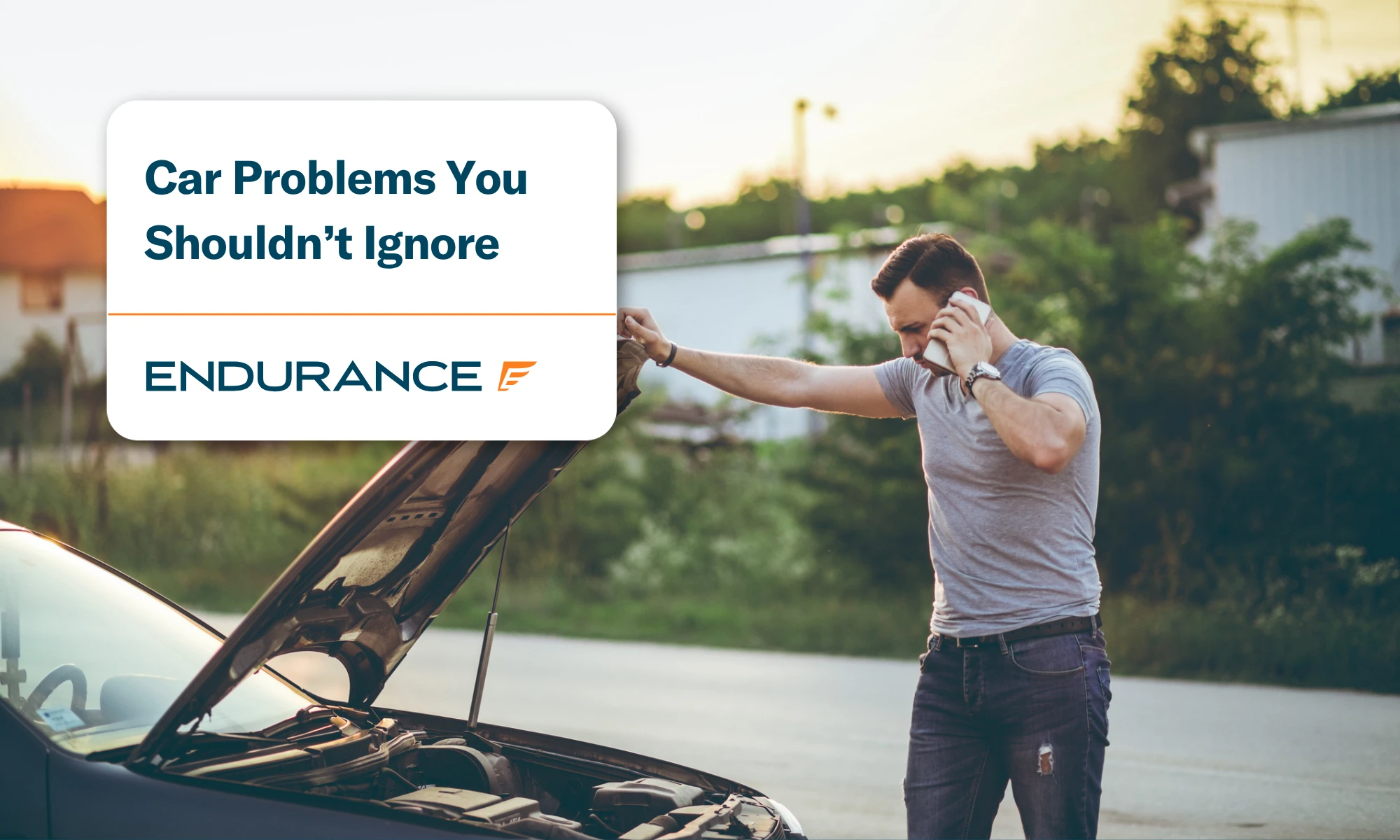
It’s human nature to delay dealing with something unpleasant. This is especially true of a car that still runs but is exhibiting signs of trouble. A slight transmission shudder, a coolant smell that disappears after a few minutes, or uneven tire edges may not cause an immediate breakdown. Yet, procrastinating on a repair can lead to more severe and costly problems down the road.
A transmission that initially only needed fresh fluid may later require a full rebuild. Or a small coolant leak can lead to an overheated engine and damage to the cylinder head. Meanwhile, worn suspension components may cause premature tire wear. Those are just a few examples that show that waiting for car trouble to go away can be an expensive delay.
We’ll explain the potential real-world consequences of ignoring some of your car’s red flags and review the associated automotive costs. You’ll also learn how an extended warranty or vehicle service contract may help drivers manage unexpected repair costs after the factory warranty expires.
Few repairs keep car owners up at night like transmission issues. No wonder! According to internal claims data from Endurance, a new gearbox costs an average of $4,700. Today’s automatic transmissions are highly complex systems reliant on hydraulic pressure, clutch packs, electronic controls, valve bodies, and torque converters. All of these components must function together flawlessly for trouble-free driving.
Early warning signs that may be ignored initially include:
The challenge with any of these conditions is that the vehicle can usually be driven normally. However, continuing to operate the vehicle risks additional damage. Let’s break this down into what could happen by ignoring more basic transmission repairs.
| Repair | Cost | What Happens If You Wait |
| Transmission Fluid Service | $230–$290 | Heat and friction cause transmission fluid to degrade over time. Reduced lubrication quality can accelerate wear of internal components. Debris may also circulate in the system. |
| Shift Solenoid Replacement | $400–$1,500 | The extra slippage created by a malfunctioning shift solenoid creates additional heat and friction, which can wear out the clutch packs and other internal components. |
If either of these trouble spots is ignored, the repair bill could change significantly. As mentioned, the typical transmission replacement costs $4,700. However, that’s an average. Units for upscale models and large trucks or SUVs can be considerably higher.
A car’s coolant system is often taken for granted until something goes wrong. However, controlling engine heat is vital to prevent problems from quickly escalating. The trouble often starts in subtle ways, including:
Modern engines are composed mostly of aluminum, which is more vulnerable to excessive heat than the cast-iron powerplants of the past.
| Repair | Cost | What Happens If You Wait |
| Coolant Hose Replacement | $470–$530 | Small coolant leaks can worsen over time, leading to coolant loss, overheating, and increased stress on the water pump and radiator. |
| Thermostat Replacement | $570–$670 | A sticking thermostat can cause repeated overheating episodes, which may eventually warp the cylinder head or damage the head gasket. |
| Water Pump Replacement | $850–$1,100 | A failing water pump can suddenly stop coolant circulation, causing the engine to overheat and potentially leading to severe overheating and major internal engine damage. |
The resulting damage from an overheating episode may not be immediate. An engine may even survive a single event. However, overheating can eventually cause head gasket failure or damage to the cylinder head. Repair costs at this point are high. A new head gasket runs $2,470–$3,250. If a replacement engine is the best solution, expect an average cost of over $7,600, according to Endurance claims data. At that point, the issue has moved from a cooling-system repair to a potential engine failure.
The catalytic converter is another vehicle system that doesn’t get much attention until a problem surfaces. A check engine light with a P0420 or P0430 diagnostic trouble code is the most visible symptom, and is sometimes accompanied by:
The catalytic converter extracts harmful emissions from exhaust gases through an internal honeycomb structure that can become blocked or deteriorate with age. Because vehicle performance may not be affected, some owners may think it’s acceptable to continue driving with a bad catalytic converter. Cost may also be a factor in delaying a trip to the shops. A “cat” isn’t cheap; the average replacement costs $2,280–$2,480.
However, ignoring converter problems can lead to other pricey repairs. Excess heat buildup from a restricted exhaust flow can damage the exhaust manifold, which costs $1,430–$1,640. In more extreme cases, the exhaust valves may become damaged, requiring repair that costs $1,000–$2,500.
Tires are designed to deliver consistent tread wear to support braking, traction, reduced road noise, and better ride comfort. Uneven tire wear is not normal, but it’s easily overlooked. For some drivers, the solution is just replacing the tires without addressing the underlying cause. Yet, that approach will only lead to another trip back to the tire shop ahead of schedule.
Uneven tire wear can cover:
With the average new tire costing $212, replacing a new set sooner than needed wastes money. More importantly, uneven tire wear poses safety hazards by reducing stopping power (especially in an emergency) and increasing the risk of hydroplaning on wet roadways.
It’s easy not to think about having to slightly adjust a crooked steering wheel or gently guide the car towards the center of the lane. Drivers subconsciously make minor corrections whenever they’re behind the wheel.
Separating normal driving conditions from wheel alignment issues starts with being alert to:
Correcting a wheel alignment issue is inexpensive ($189–$277) and the best way to ensure the tires have maximum contact with the road surface. That’s a small price to avoid replacing a tie rod ($234–$266) or a ball joint ($305–$470). Not to mention, the $800 or more needed to replace a set of tires with uneven wear.
Dismissing a clunking sound from the undercarriage or extra body roll during cornering as normal won’t make underlying suspension problems go away. It’s critical to address issues early to avoid a cascade of component failures.
Common warning signs of a suspension problem include:
Let’s review how not fixing one failing suspension component may lead to additional repairs:
The whole point of staying on top of car repairs is to keep out-of-pocket costs to a minimum. One way of doing this is to prevent a pattern of financially draining mechanical failures. If one modest repair can prevent or delay a more expensive repair, addressing the problem early is usually far cheaper than waiting for the damage to spread to other systems.
Another way to protect against repair bills is an extended warranty. This owner protection, also known as a vehicle service contract or auto protection plan, offers peace of mind after the factory warranty has expired.
Endurance offers numerous options, starting with essential powertrain protection that covers the engine, transmission, and drive axles. At the top end, Endurance Supreme offers our broadest exclusionary coverage. There are also intermediate programs that balance cost and coverage. Importantly, coverage must begin before any warning signs appear.
To learn about your car’s coverage options, including special programs for high-mileage vehicles and select luxury models, request a FREE quote or visit the Endurance online store. Our team is also available by phone at (800) 253-8203.
Every Endurance Warranty plan includes 24/7 roadside assistance with towing, trip interruption protection, rental car reimbursement, and the flexibility to select any licensed facility for covered repairs. A free year of Elite Benefits is also offered with every plan, a $2,000 value, which includes tire coverage, windshield repair, key fob replacement, and collision discounts.
Explore the Endurance Blog for the latest auto repair advice, DIY tips, warranty insights, vehicle reviews, and more.
Vehicle guides are also available for Honda, Hyundai, Nissan, Toyota, and many other brands.

We've received your vehicle information and will contact you shortly with your quote.
— OR —
Start shopping for a coverage plan now.


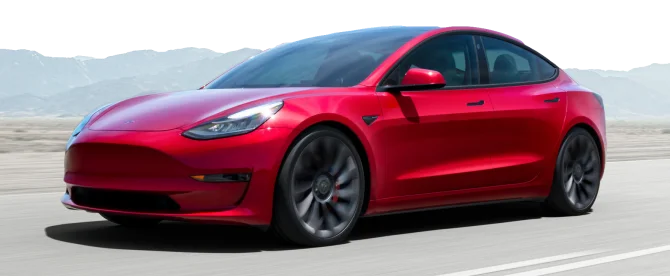
We're here to make sure you get the most comprehensive EV protection. That's why we've partnered with Xcelerate Auto to offer you transparent and dependable Tesla coverage.
Want us to contact you about XCare coverage for your Tesla?

Your protection is our top priority. Your quote is in progress and you will
receive a confirmation
email shortly.

Speak with a vehicle protection plan specialist and get $300 off any new contract instantly.
Spooky Savings: $300 off + FREE Elite Benefits for 1 year!
By clicking the button, you consent to Endurance using automated technology to call, email, and text you using the contact info above, including your wireless number, if provided, regarding auto protection or, in California, mechanical breakdown insurance. You also agree to the Endurance Privacy Policy and Terms and Conditions. Consent is not a condition of purchase, and you can withdraw consent at any time. Message and data rates may apply.
Speak with a vehicle protection plan specialist and get $300 off any new contract instantly.
Call 866-678-4172
or scan the code below
Simply fill out the information below and we will follow up fast with your free no-obligation quote.
By clicking the button, you consent to Endurance using automated technology to call, email, and text you using the contact info above, including your wireless number, if provided, regarding auto protection or, in California, mechanical breakdown insurance. You also agree to the Endurance Privacy Policy and Terms and Conditions. Consent is not a condition of purchase, and you can withdraw consent at any time. Message and data rates may apply.

To speak to a vehicle protection plan specialist and get $300 off any new contract instantly
Scan the code below


Justin Barrett, owner of Barrett Automotive shops in Eastanollee and Cornelia, Georgia, has nearly 20 years of experience in vehicle repair and diagnostics. Since founding his auto repair facilities with his wife in 2010, he has been dedicated to helping drivers with everything from routine maintenance to complex repairs. Read more about Justin.