

Get this deal! Call now.
Speak with a vehicle protection plan specialist and get $300 off any new contract instantly.
Call 866-678-4172
or scan the code below

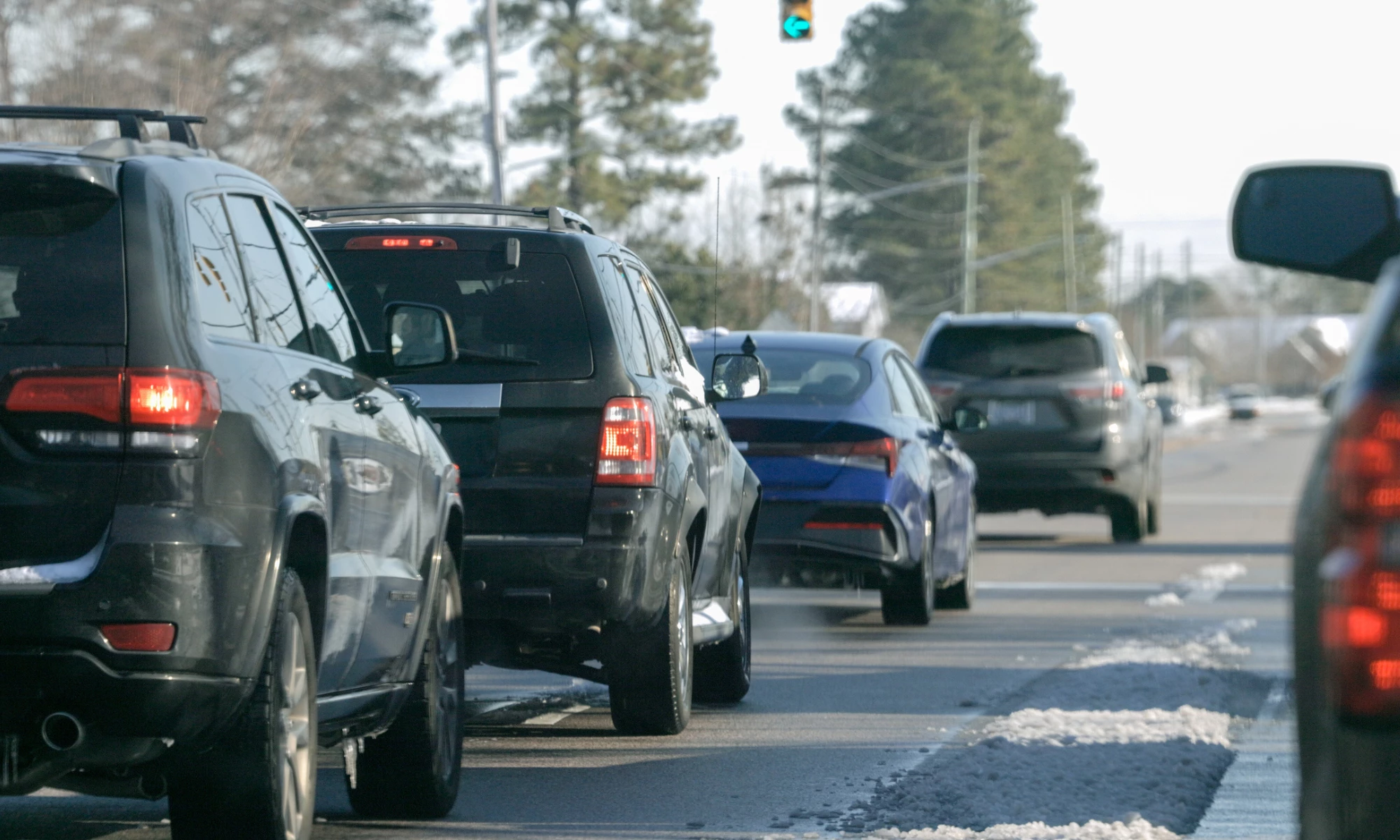
Germany may have the Autobahn, but America grew up on the highway. The substantial breadths of farmland cut up by roadways and interstates are pretty much as ubiquitous as any famous horizon. The American relationship with street travel didn’t spring up overnight. Entire enterprises, mechanical advancements, and government organizations needed to emerge over time.
Whether traversing the nation or a couple of hours from home, there’s a considerable amount to acknowledge about the way road trips have molded America.
Highways came about as an approach to make street trips simpler. The US Highway System was established in 1926, when many cars were swarming the streets. In the good ‘ole days, streets were ghastly even in urban areas, and rustic byways were minimal more than stuffed earth trails or sloppy two tracks through fields and timberlands. Automakers needed to campaign for enhanced driving conditions.
The expressway framework was a piece of that push. In the first place, the administration marked essential courses, making the route less demanding. Roadway assignments were set up in a matrix design. Odd-numbered courses run north to south, and even-numbered courses run east to west. The well-known Route 66 was set up as a component of the framework. Vagrants utilized 66 during the Dust Bowl to go to California.
The interstate turnpike framework is set up in the inverse request to maintain a strategic distance from disarray. With the Federal Aid Highway Act of 1956, President Eisenhower promised to introduce a new era of more secure streets with fewer car influxes.
The Federal Aid Act prompted enormous development in street building, particularly for the entire interstate travel. Starting in 2013, the interstate framework included 47,856 miles of street, making it the world’s second longest after China.
When you’re out and about and making great time, the exact opposite thing you need to do is stop for sustenance. Fortunately, there are fast food joints that group around the exit ramps of America’s interstates. Furthermore, you don’t need to exit the car.
While individuals in the ’50s knew about eating in the car by means of car hopping at drive-in coffee shops, drive-through eateries were more uncommon. Generally, people accept that McDonald’s was the primary eatery to attempt this; however, the possible fast food juggernaut was a late adopter. Red’s Giant Hamburg was the primary spot to offer burgers through a window to hungry drivers. It opened in 1947 on Route 66 in Springfield, MO.
Red’s shut in 1984, yet the longest working drive-through is still in business following 67 years. In 1948, the first In-N-Out in Baldwin Park, CA, opened up. It was a drive-through just diner, with a radio requesting framework and no stopping or seating. Littler chains like Jack-in-the-Box and Wendy’s received the drive-through window right off the bat, McDonald’s didn’t hop on the fleeting trend until the 1970’s.
Prepare yourself for the high dramatization of the historical backdrop of the roadside rest stop. The 1956 Federal Aid Highway Act didn’t simply set up the expressway framework, additionally they helped develop the system of rest stops that line roads right up ’til today. The feds considered rest regions an imperative security measure, offering tired drivers a reprieve from hours of travel. The demonstration required the rest regions that would be kept up and managed with bathrooms and ranges for picnics. What the demonstration didn’t indicate is the means by which innovative planners could be with the rest stops. These rest stops may be the main contact explorers have with the nearby culture as they go through. Numerous are customized to the area they’re in, for example, huge teepees in southwestern states. All contain some fundamental data about the state and the encompassing zone. Some are viewed as great cases in mid-century plan and have built up an uncommon fan base.
Look at the insane maps that are natural to any individual who had an AAA map book of cross-country courses in 1918, preceding most streets outside of, which had even a number to name them. The primary usable maps with named avenues turned out in the late 1800s, yet were for bikers, people on foot, and carriages in enormous urban communities. Individuals voyaged long distances via train. Streets outside of real population centers were normally rural roads. When Horatio Nelson Jackson finished the principal cross-country road trip in 1903, it took him sixty-three days of traveling over harsh terrain to go from San Francisco to New York.
As cars turned out to be more of a regular thing, lousy streets and maps turned out to be a greater amount of an issue. AAA was established to manage the guiding side of those issues. Alongside the Automobile Blue Book Publishing Company, AAA printed maps that highlighted “great” streets. These maps frequently included photographs of courses to help drivers make sense of where they were. The photographs still represented an issue, as distinguishing streets by the environment would be pointless if the scene changed. AAA continually conveyed pathfinders to discover what courses were alright for autos. Maps drastically enhanced when the institutionalization of course names and genuine street change started in the 1920s.


We've received your vehicle information and will contact you shortly with your quote.
— OR —
Start shopping for a coverage plan now.


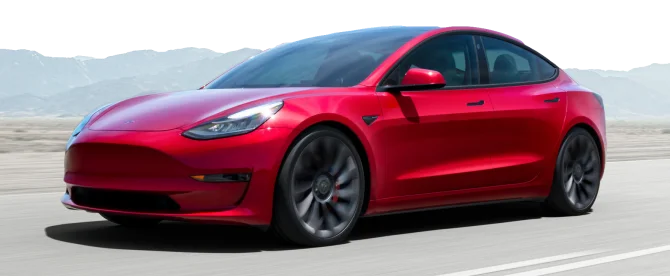
We're here to make sure you get the most comprehensive EV protection. That's why we've partnered with Xcelerate Auto to offer you transparent and dependable Tesla coverage.
Want us to contact you about XCare coverage for your Tesla?

Your protection is our top priority. Your quote is in progress and you will
receive a confirmation
email shortly.

Speak with a vehicle protection plan specialist and get $300 off any new contract instantly.
$300 off + FREE Elite Benefits for 1 year!
By clicking the button, you consent to Endurance using automated technology to call, email, and text you using the contact info above, including your wireless number, if provided, regarding auto protection or, in California, mechanical breakdown insurance. You also agree to the Endurance Privacy Policy and Terms and Conditions. Consent is not a condition of purchase, and you can withdraw consent at any time. Message and data rates may apply.
Speak with a vehicle protection plan specialist and get $300 off any new contract instantly.
Call 866-678-4172
or scan the code below

Simply fill out the information below and we will follow up fast with your free no-obligation quote.
By clicking the button, you consent to Endurance using automated technology to call, email, and text you using the contact info above, including your wireless number, if provided, regarding auto protection or, in California, mechanical breakdown insurance. You also agree to the Endurance Privacy Policy and Terms and Conditions. Consent is not a condition of purchase, and you can withdraw consent at any time. Message and data rates may apply.

To speak to a vehicle protection plan specialist and get $300 off any new contract instantly
Scan the code below



Alex has worked in the automotive service industry for over 20 years. After graduating from one of the country’s top technical schools, he worked as a technician achieving a Master Technician certification. He also has experience as a service advisor and service manager. Read more about Alex.