

Get this deal! Call now.
Speak with a vehicle protection plan specialist and get $300 off any new contract instantly.
Call 866-678-4172
or scan the code below

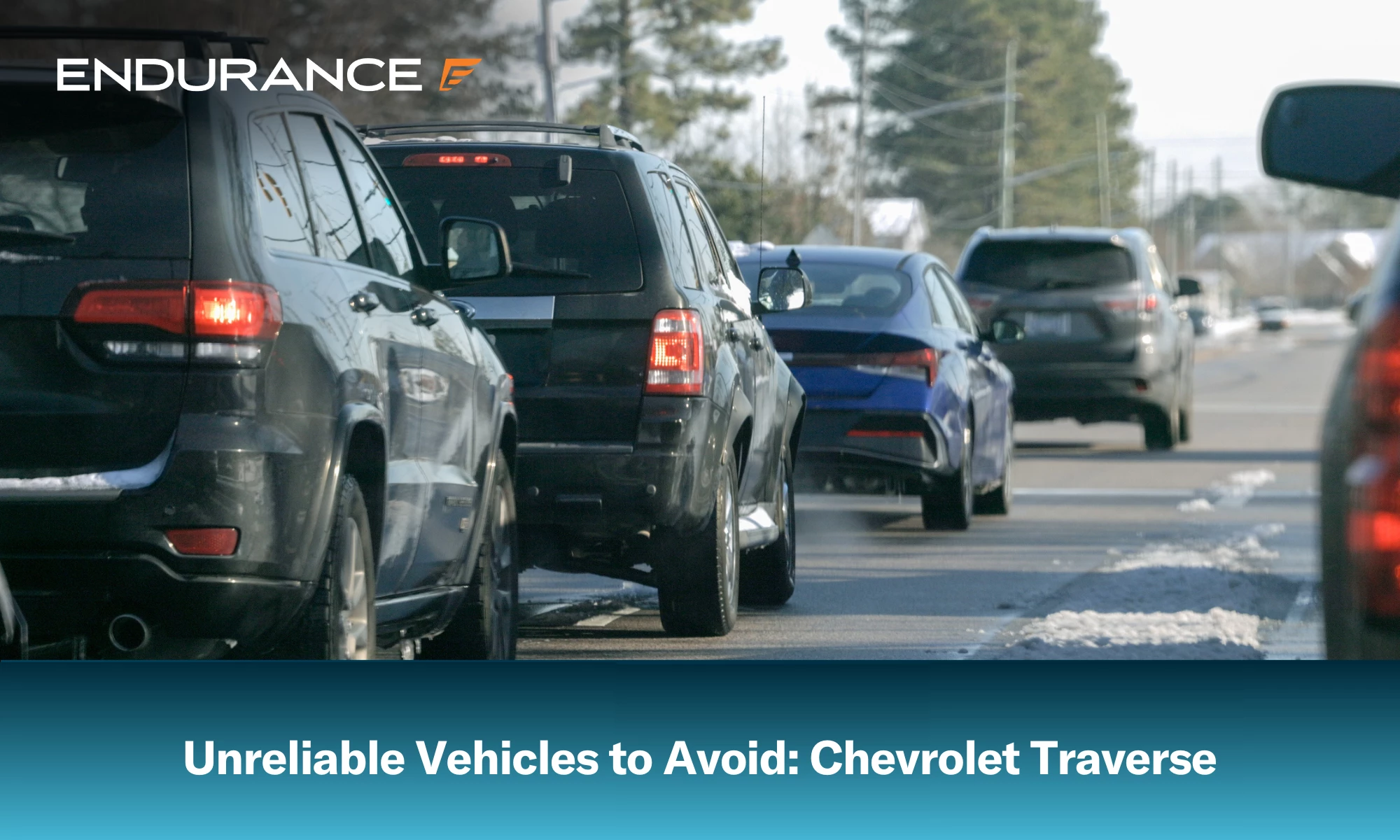
The Chevrolet Traverse is a popular midsize SUV known for its spacious interior, family-friendly features, and seating for up to eight passengers. However, some model years have developed a reputation for engine, transmission, steering, and electrical issues that can impact long-term reliability.
Early models—especially 2009 through 2012, with 2011 standing out for high complaint volume—have generated frequent owner reports and lower reliability scores. In this guide, we’ll break down the most common Chevrolet Traverse problems, typical repair costs, and how a vehicle service contract can help manage unexpected breakdown expenses.
Many of the more prevalent Chevrolet Traverse problems are mechanical and electrical. These are some of the reasons your check engine light may turn on:
The first generation of Traverses used GM’s 3.6-liter V6, which had a complex chain drive. Some early design teething problems meant that chain stretch and phaser wear were accelerated, which ultimately triggered timing chain faults and, in some reported cases, led to significant engine damage or engine failure. Having your timing chain and gear set replaced is a major, engine-involved job that can cost several thousand dollars.
A number of owners have experienced leaking water pumps. If ignored, these can lead to overheating and may cause gasket or head damage. Some early warning signs include a sweet coolant smell, drips near the timing cover, a rising temperature under load, or weak cabin heat at idle.
Some GM Lambda-platform vehicles have documented reports of a cracked 3-5-R wave plate inside the automatic transmission. At the time, GM issued a special-coverage adjustment for vehicles affected, but buy a used one today, and you’re outside the coverage window.
Although not a powertrain defect, investigations of models built between 2009 and 2014 found that the front seat-belt anchor cable could detach. GM extended coverage for the affected vehicles, but if you’re buying, you should make sure to confirm the vehicle’s VIN status and repair history.
Some owners report power-assist loss, heavy steering issues at parking speeds, and leaks that require rack replacement. This is often a four-figure job once fluid, alignment, and labor are included. These kinds of complaints are most heavily associated with Traverse models made in the early 2010s.
Alternator failures, battery drains, and module faults are all too common, especially if we look at the 2010–2012 models. If you find yourself test-driving one, check for a steady idle, normal voltage readings, and reliable restarts after a long drive. Don’t forget to inspect battery date codes and ground connections too.
The older and more well-driven your Traverse gets, the more likely you are to experience problems with motor mounts, wheel bearings, catalytic converters, EVAP components, and HVAC air conditioning blend-door actuators. The labor time and packaging on a big three-row SUV can make totals sting, especially if parts availability slows a repair during peak season.
RepairPal gives the Chevrolet Traverse a 3 out of 5 score for reliability, which ranks it 22nd out of 26 for midsize SUVs. This isn’t great news in general for owners, but some year models have many more complaints logged against them than others.
2009 to 2012 are the core years to avoid. Across the web, you’ll find many negative Traverse owner reports regarding first-generation models. 2011 is widely considered the worst year of them all due to significant engine and transmission issues. The 2010 model ranks close behind, with the highest overall complaint totals. Together, these early models are the riskiest buys for reliability.
The 2013 refresh certainly improved things, but you should still shop carefully through 2015. While the 2013 model brought updates that helped reliability, complaints spiked again in 2014 because of power loss and electrical faults. Make sure to use a diagnostic scan tool to inspect vehicles from these years before you purchase, review the service history for ignition, charging, and battery replacements, then road-test for any intermittent power-loss or stalling.
The second generation (2018-2021) models are the best years, but by no means perfect. The redesigned 2018 Traverse has meaningful reliability gains and better owner satisfaction, but there are still reports of transmission tuning quirks, electronic faults, and minor interior rattles. For these models, run a VIN check for open recalls and ensure regular maintenance has been done before you hand over any money.
Of course, every used vehicle is unique, but we can take a look at cost estimates for some of the more severe but common repairs to help with budgeting for a Traverse versus other midsize SUVs. For example:
For Traverse owners, it’s sensible to budget beyond these more common repairs for wheel bearings, struts, catalytic converters, alternators, and HVAC actuators as vehicles age. This is even more relevant if your SUV has had a hard life of towing heavy cargo, which would most likely mean fluids, mounts, and rubber components that need attention sooner.
GM’s factory coverage on new Chevrolets is 3 years or 36,000 miles bumper-to-bumper and 5 years or 60,000 miles on the powertrain, so most used Traverses are long out of protection. If this is the case for you, you’re fully responsible for the cost of any future repairs—unless you invest in an extended warranty, that is.
There are countless plans available from countless providers, but a quality contract should include:
These kinds of benefits don’t just reduce the financial shock of sudden repairs. They reduce the inconvenience too. Significant Traverse work (like engine or transmission work) can often take days, so knowing you’ll be back on the road in the meantime is a huge relief.
Not all service contracts are equal. The most basic “powertrain” plans may cover only internal engine and transmission components, while comprehensive “bumper-to-bumper” plans also protect steering, suspension, electronics, and high-tech features.
For the Traverse in particular, a mid to high-tier plan would most likely offer the best balance. Look for coverage that specifically lists timing chains, water pumps, and transmission hard parts. These are the high-cost items that historically fail most often.
The value of this type of extended coverage ultimately comes down to two things: savings and peace of mind. Just take the cost of a single timing chain repair or transmission problems, which can easily exceed the cost of a multi-year protection plan. Most drivers understandably prefer to budget for a predictable monthly payment rather than risk a sudden $4,000 repair bill.
Go with a provider like Endurance Warranty Services, and you gain access to an expansive network of certified auto shops. Plans can also be transferred when you sell the vehicle, adding resale value. For high-mileage buyers or anyone planning to keep their Traverse past 100,000 miles, that flexibility can easily pay for itself.
It’s worth noting that all providers will require that you follow your manufacturer’s recommended maintenance schedule to the letter in order to keep coverage active. Make sure to keep records of every service visit, and save receipts for oil and filters if you perform DIY maintenance. Having these to hand can really help with claim approval.
Families love the Chevrolet Traverse for its roominess and comfort, but it’s a mixed bag when it comes to reliability. The first generation of models carries well-documented risks of engine, transmission, and steering failure. In fact, it took until the newer models with the 2018 redesign to mark a noticeable improvement in reported owner satisfaction and reliability trends.
For peace of mind, it’s essential that you schedule a pre-purchase inspection by a trusted mechanic. They’ll know what to look out for, but don’t be afraid to ask them to check for metal flakes in the transmission fluid, coolant residue under the engine cover, and oil leaks near the timing cover. These small clues can be a sign of expensive problems on the horizon.
It’s never comforting knowing that you own an ‘unreliable’ vehicle, but there are steps you can take to prevent things from taking a turn for the worse. One of the most important of these is staying on top of maintenance: Use high-quality oil for your oil changes, and possibly change it more often than the onboard monitor recommends, ideally every 5,000 miles. Replace coolant and transmission fluid on time, even if it’s not leaking.
While you’re driving, keep an eye out for subtle changes. A ticking noise at startup, hesitation during shifts, or reduced steering assist are early warning signs. Addressing them early can prevent catastrophic failure later.
The Traverse isn’t exactly one of the unreliable SUVs to avoid—it just has a few bad years that leave a mark on its reputation. Avoiding early models of this used car, budgeting for maintenance, and securing a strong service contract make the difference between a stressful ownership experience and one that feels secure for years to come.
If you’re serious about buying a Chevy Traverse or keeping one long term, an extended auto warranty or vehicle service contract from Endurance may help manage repair costs. With a wide range of plans for all kinds of drivers, a long list of amazing benefits, and a large national customer base, we’ll give you the driving confidence you need.
To find out which of our plans might be right for you, call an Endurance representative today at (800) 253-8203 or shop our eStore to see your recommendations and pricing right away.
Make sure to also check out our Vehicle Guides for more articles on automakers like Toyota, Honda, and more.

We've received your vehicle information and will contact you shortly with your quote.
— OR —
Start shopping for a coverage plan now.


We're here to make sure you get the most comprehensive EV protection. That's why we've partnered with Xcelerate Auto to offer you transparent and dependable Tesla coverage.
Want us to contact you about XCare coverage for your Tesla?

Your protection is our top priority. Your quote is in progress and you will
receive a confirmation
email shortly.

Speak with a vehicle protection plan specialist and get $300 off any new contract instantly.
$300 off + FREE Elite Benefits for 1 year!
By clicking the button, you consent to Endurance using automated technology to call, email, and text you using the contact info above, including your wireless number, if provided, regarding auto protection or, in California, mechanical breakdown insurance. You also agree to the Endurance Privacy Policy and Terms and Conditions. Consent is not a condition of purchase, and you can withdraw consent at any time. Message and data rates may apply.
Speak with a vehicle protection plan specialist and get $300 off any new contract instantly.
Call 866-678-4172
or scan the code below

Simply fill out the information below and we will follow up fast with your free no-obligation quote.
By clicking the button, you consent to Endurance using automated technology to call, email, and text you using the contact info above, including your wireless number, if provided, regarding auto protection or, in California, mechanical breakdown insurance. You also agree to the Endurance Privacy Policy and Terms and Conditions. Consent is not a condition of purchase, and you can withdraw consent at any time. Message and data rates may apply.

To speak to a vehicle protection plan specialist and get $300 off any new contract instantly
Scan the code below



Chris has been covering the automotive industry and topics ranging from road trips to driverless car technology for around 10 years. His own preference is for retro 4x4s that will stand up to a muddy field in the country.