

Get this deal! Call now.
Speak with a vehicle protection plan specialist and get $300 off any new contract instantly.
Call 866-678-4172
or scan the code below

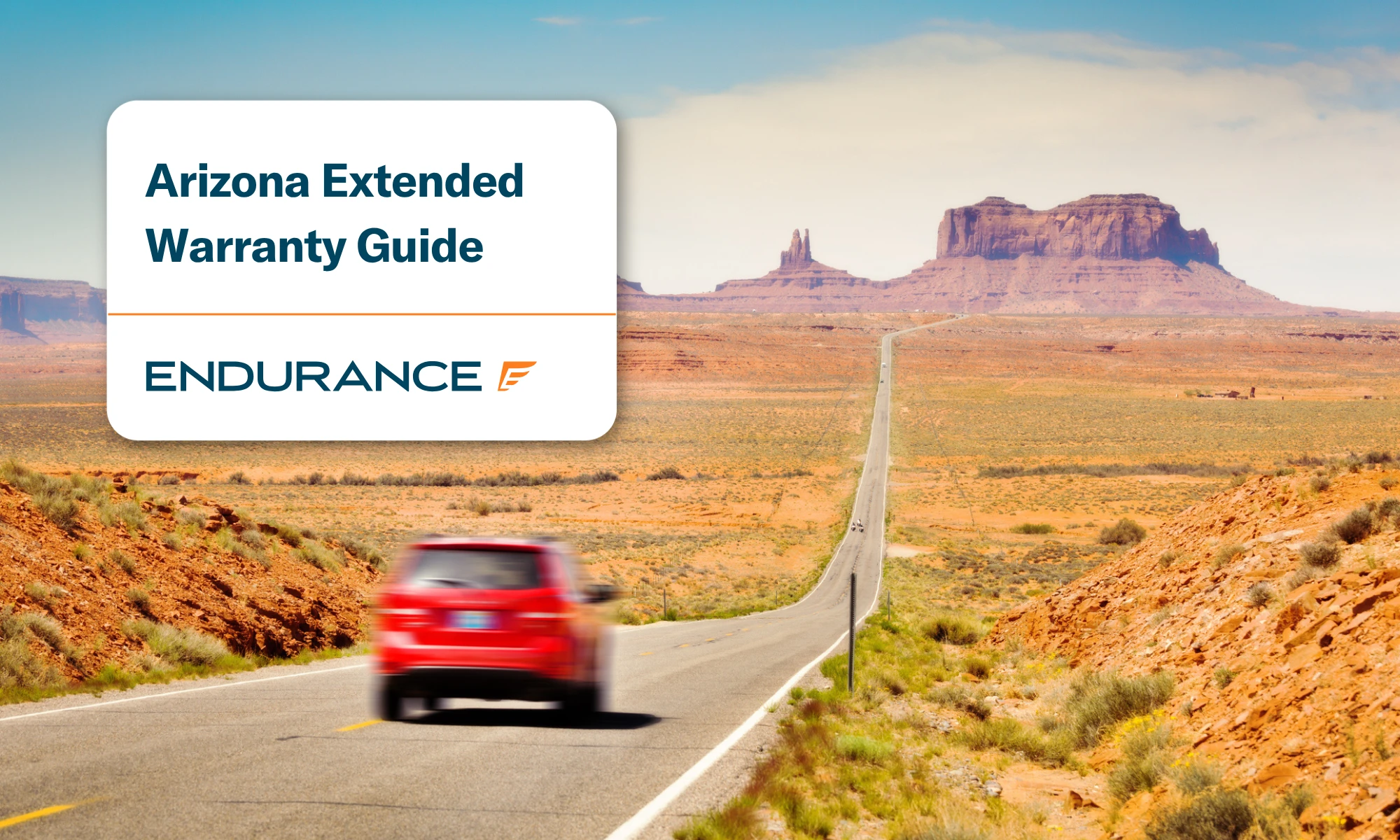
The highest temperature ever recorded in Arizona was 128°F (in Lake Havasu City, if you’re curious). That’s just one example of the extreme conditions Arizona drivers face. Triple-digit temperatures can wear down crucial vehicle systems, especially air conditioning, transmissions, and cooling components.
In simple terms, summer in Arizona is punishing. Phoenix recorded 54 days with temperatures of 110°F or higher in 2023. Meanwhile, the National Weather Service reports that 100°F days can start as early as April across the lower desert region, including Phoenix, Yuma, and neighboring areas along the Colorado River. To make matters worse, pavement temperatures can reach 170°F, according to Scientific American.
These are the kinds of environments that can cause heat-related breakdowns, which an extended car warranty or vehicle service contract (VSC) may cover. Regardless of the source, the heat penetrates the vehicle, adding thermal stress that can place additional demands on your car’s systems. It’s a brutal setting where fluids degrade faster, seals dry out, and critical equipment works harder. As a result, systems can fail sooner, increasing ownership costs, especially after the manufacturer’s warranty has expired.
Keep reading as we explain what actually happens to a car in Arizona’s extreme temperatures. You’ll learn what damage occurs, the typical high-heat problems that result, and how an auto protection plan makes sense.
Triple-digit temperatures take an extensive toll on systems and components that many drivers take for granted.
AAA says it simply, “heat interferes with your car’s ability to operate.” And nowhere is this more obvious than in Arizona. Thanks to ultra-high temperatures, certain repairs may be more common in extreme-heat environments. Further, while battery failure is usually associated with cold weather, high temperatures can be equally damaging.
Let’s look at data from RepairPal and other sources to see what typical trouble spots cost to fix:
| System/Component | Repair/Replacement | Cost |
| Air Conditioning | AC Compressor | $1,004–$1,356 |
| AC Condenser | $803–$935 | |
| Refrigerant Line | $945–$1,022 | |
| Transmission | Torque Converter | $600–$1,000 |
| Transmission (full replacement) | $5,892–$6,402 | |
| Cooling System | Water Pump | $857–$1,106 |
| Radiator | $1,307–$1,471 | |
| Thermostat Replacement | $574–$667 | |
| Electrical | Battery | $412–$448 |
| Alternator | $757–$1,032 |
It’s also crucial to understand that cars aren’t getting cheaper to fix; it’s just the opposite. The Consumer Price Index for vehicle maintenance and repairs increased by 43% from 2019 to 2025, according to U.S. Bureau of Labor Statistics data. Increased labor rates, inflation, and higher parts prices all contribute to larger repair shop bills.
Arizona’s high temperatures create a double whammy. The warmest months—May through September—are when heat-related breakdowns are most likely to occur. This is also when you’re least able to go without a vehicle. Driving without air conditioning in 100°F weather is beyond uncomfortable; it’s hazardous. It’s difficult to concentrate on safe driving when you’re covered in sweat. There’s also the danger of heat stroke, especially for children or older passengers.
These peak months are busy for other reasons. Drivers are getting their cars serviced for vacation travel, increasing wait times at shops. Spare parts can be harder to locate. In some cases, you may be waiting days just to get into a shop, then additional time for diagnosis and repair.
Having a vehicle service contract (VSC) in place before a breakdown means you don’t have to waste time evaluating repair costs or figuring out finances. There are other benefits. For example, all Endurance plans include rental car reimbursement. If car trouble occurs more than 100 miles from home, Endurance also provides trip interruption protection.
Evaluating the extended car warranties or vehicle service contracts in Arizona requires a different approach than in most other states. Concentrate on coverage that targets the vehicle’s most vulnerable systems (as outlined above).
Start with drivetrain protection at a minimum. You’ll want safeguards for the engine, transmission, and drive axles. Review the contract terms to ensure that torque converters and clutch packs are included in the VSC terms. Not every extended warranty covers the air conditioning system. If you don’t want to pay out of pocket for a replacement compressor or condenser, check the plans you’re considering to see if they include this protection. Finally, any used car warranty in Arizona should cover the cooling system. As we’ve highlighted, replacing a water pump or radiator can be expensive.
Endurance offers warranty plans that balance protection and cost. The Secure plan provides essential powertrain protection that starts at a low monthly rate. Meanwhile, upgrading to the Secure Plus program adds safeguards for the air conditioning, electrical systems, and additional components. The mid-tier Superior plan is especially suited for Arizona drivers with protection add-ons for the cooling system, suspension, and fuel system. Signing up for the Supreme VSC delivers coverage with the fewest exclusions.
It’s no secret that Arizona drivers have multiple companies to choose from when selecting an extended warranty. However, you should know that Endurance is different.
Endurance operates as a direct claims administrator for most plans, meaning a dedicated in-house team handles most claims. Other warranty providers use third-party services, which may involve additional parties in the claims process. Endurance even has a streamlined approval process for common repairs, helping support a more efficient claims experience.
Equally important, Endurance customers can choose any licensed facility for covered repairs, including dealership service departments and specialty shops. It’s a flexibility that doesn’t tie plan holders to specific networks.
Consumers in Arizona should know that the state rigorously regulates vehicle service contracts. When you shop for an extended warranty, look for the total purchase price, coverage details, exclusions (clearly disclosed), deductibles, cancellation policy terms, and transferability rules. All of these details must be present in a contract’s fine print. Endurance offers sample contracts to review.
All it takes is one very hot day in Arizona to realize your car isn’t operating under normal conditions. The stress of these extreme temperatures puts your car at risk of a heat-related breakdown. The air conditioning, transmission, and cooling systems are likely trouble spots, but hundreds of other components can also fail.
Peace of mind comes from a vehicle service contract designed for Arizona’s hottest days and every day. It’s protection against unexpected repairs that may be worth considering if you’re driving without a factory warranty or shopping for used vehicles.
In addition to rental car reimbursement and trip interruption protection, Endurance customers receive other benefits, including 24/7 roadside assistance (towing and lockout service), a 30-day money-back guarantee, and flexible payment options. Plan holders are also eligible for a free year of Elite Benefits valued at up to $2,000, including tire repairs and replacements, collision repair support, windshield coverage, and key fob replacement.
Find out how Endurance Warranty plans work in Arizona. Request a FREE quote or visit the Endurance online store for instant plan details and pricing. You can also review your program options, including upgrades for high-mileage or commercial-use vehicles, by calling an Endurance plan advisor at (800) 253-8203.
Explore the Endurance Blog to learn about warranty coverage insights, DIY repairs, maintenance advice, and more.



We've received your vehicle information and will contact you shortly with your quote.
— OR —
Start shopping for a coverage plan now.


We're here to make sure you get the most comprehensive EV protection. That's why we've partnered with Xcelerate Auto to offer you transparent and dependable Tesla coverage.
Want us to contact you about XCare coverage for your Tesla?

Your protection is our top priority. Your quote is in progress and you will
receive a confirmation
email shortly.

Speak with a vehicle protection plan specialist and get $300 off any new contract instantly.
Spooky Savings: $300 off + FREE Elite Benefits for 1 year!
By clicking the button, you consent to Endurance using automated technology to call, email, and text you using the contact info above, including your wireless number, if provided, regarding auto protection or, in California, mechanical breakdown insurance. You also agree to the Endurance Privacy Policy and Terms and Conditions. Consent is not a condition of purchase, and you can withdraw consent at any time. Message and data rates may apply.
Speak with a vehicle protection plan specialist and get $300 off any new contract instantly.
Call 866-678-4172
or scan the code below

Simply fill out the information below and we will follow up fast with your free no-obligation quote.
By clicking the button, you consent to Endurance using automated technology to call, email, and text you using the contact info above, including your wireless number, if provided, regarding auto protection or, in California, mechanical breakdown insurance. You also agree to the Endurance Privacy Policy and Terms and Conditions. Consent is not a condition of purchase, and you can withdraw consent at any time. Message and data rates may apply.

To speak to a vehicle protection plan specialist and get $300 off any new contract instantly
Scan the code below



Dave is an automotive journalist combining a deep passion for cars, hands-on mechanical experience, and dealership insight. His writing primarily focuses on consumer auto advice and enthusiast pieces. A regular contributor to SlashGear.com and other leading automotive platforms, Dave earned his BA in Journalism from The George Washington University.