

Get this deal! Call now.
Speak with a vehicle protection plan specialist and get $300 off any new contract instantly.
Call 866-678-4172
or scan the code below


Most of the time, when drivers hear the phrases “extended warranty” or “auto service contract,” they think of expensive add-ons at the dealership or simply another name for the factory warranty. The right auto service contract, though, will be designed to help drivers manage the financial risks that come with owning a vehicle.
Once your manufacturer’s vehicle warranty expires, you may be responsible for repairs that are no longer covered. An auto service contract can help manage the cost of eligible covered repairs, subject to the terms of the contract.
If you have dismissed the idea of an auto service contract before, it is probably because of some of the prevailing myths that surround them. Knowing what these myths are and the truths behind them will help you find coverage that fits your vehicle, needs, and budget, and allow you to make a more informed decision.
One of the biggest misconceptions about auto service contracts is that they are just another name for the manufacturer’s warranty that comes with a vehicle when it is new. While both of these protection plan categories help you pay for repairs, they are very different and come at different stages in vehicle ownership.
A manufacturer’s warranty generally provides coverage for certain defects in materials or workmanship for a specified period or mileage, depending on the manufacturer and warranty. This warranty is usually good for between three years or 36,000 miles and five years or 60,000 miles, and once it is up, you will have to pay for any repairs, regardless of their cause.
An auto service contract is a separate agreement that can be purchased from a provider or through other sellers, such as a dealership. Depending on the contract, it can provide coverage for eligible mechanical breakdowns during or after the factory warranty period. Unlike the factory warranty, an auto service contract comes in a wide range of coverage levels and has many different options for things like deductibles and contract lengths. These differences make an auto service contract a very distinct product that will help you achieve your long-term ownership goals and keep your car running as it ages.
A lot of drivers confuse factory warranties and auto service contracts, which can make them think that only new cars can qualify. Depending on the provider and the plan, though, even vehicles with substantial mileage can get coverage. Eligibility requirements will vary based on things like the car’s make, model, model year, and condition, but assuming that extended warranties or service contracts are only for new cars is incorrect.
Providers like Endurance Warranty Services have specific plans for vehicles with a lot of miles on the odometer, which can give you the peace of mind you need if you have one of these older cars.
Another common misunderstanding is that every vehicle service contract plan is the same. This misconception can cause problems when the time comes to make a purchase, since you might be thinking that the only difference is price.
In reality, though, coverage can vary widely depending on the plan. Some plans are only meant to cover the most important components of your vehicle, such as the engine, transmission, and drivetrain. Others are more comprehensive and may cover eligible components within systems such as steering, electrical, and air conditioning. Because this coverage can vary so significantly, choosing a plan based solely on the price can be a big mistake that could leave you responsible for repair costs that fall outside the contract’s coverage.
Some drivers assume that deductibles eliminate any financial advantage that an auto service contract offers. Deductibles are one factor to consider when comparing plans. Depending on the contract, deductibles may range from $0 to $200 or more and may apply differently based on the plan’s terms. When an eligible covered repair occurs, the customer is generally responsible for the applicable deductible and any amounts that aren’t covered under the contract.
When the deductible applies, major repairs with a service contract can still offer massive savings. For context, a transmission replacement can cost between $6,000 and $7,000 without a service contract in place.
One of the most persistent myths about service contracts is that you have to take your car to the dealership when the time comes for repairs. Repair facility requirements vary by contract and type of repair. With Endurance, customers can generally take their vehicle to a licensed repair facility of their choice, including qualifying independent repair shops and dealership service departments.
For many vehicle owners, knowing that you can choose where you get repairs can be a major benefit. Having repair facility options can give vehicle owners greater flexibility when considering factors such as location, scheduling, and familiarity with a particular shop.
Some drivers may wonder whether an auto service contract is worthwhile if they never need a covered repair. A vehicle service contract is designed to provide protection against the cost of eligible covered breakdowns during the contract term, but its value will depend on factors such as the vehicle, coverage selected, contract price, deductible, and repairs that occur during ownership.
Even with a service contract, customers remain responsible for routine maintenance like oil changes, applicable deductibles, excluded repairs, and other costs not covered by the contract. Reviewing these details before purchasing can help you decide whether a plan makes sense for your situation.
Before you decide that an auto service contract provider is right for you, it is important to look beyond the misconceptions and focus on the details of the contract. Be sure to see a sample contract before making any decisions. Knowing what is in the agreement when it comes to covered components, normal wear and tear exclusions, and claims processing will help you determine whether or not it will be worth it in the long run.
It can also be helpful to understand who administers the contract and handles claims. With a direct administrator, customers and repair facilities can generally work directly with the company administering the contract during the claims process.
Also, make sure that you know what the deductible structure is and where you can get your repairs done. Checking over all the details will help you make the best decision and keep your vehicle on the road for a long time.
Auto service contracts have evolved quite a bit over the years, but the myths around them have stayed the same. Understanding what an auto service contract provides and how you can find the best one for your needs is essential and will help you have confidence on the road. Endurance offers a range of different plans, whether you have an older high-mileage vehicle or a luxury car. Endurance even provides coverage for cars that other providers may not, such as Canadian Gray Market cars, vehicles with a rebuilt or salvage title, and cars used for rideshare or delivery.
On top of trusted coverage, Endurance customers also get extra perks like 24/7 roadside assistance, rental car coverage, and trip interruption protection. Plus, new Endurance customers get a free year of Elite Benefits, which includes tire repair or replacement, windshield coverage, and key fob replacement.
To explore coverage options for your vehicle, get in touch with an Endurance plan advisor at (800) 253-8203 for your FREE quote. You can also shop online to see your price right away.
For more helpful articles like this one, check out the Endurance Warranty blog. There, you will find provider comparisons, DIY tips, mechanical breakdown insurance information, and much more.




We've received your vehicle information and will contact you shortly with your quote.
— OR —
Start shopping for a coverage plan now.


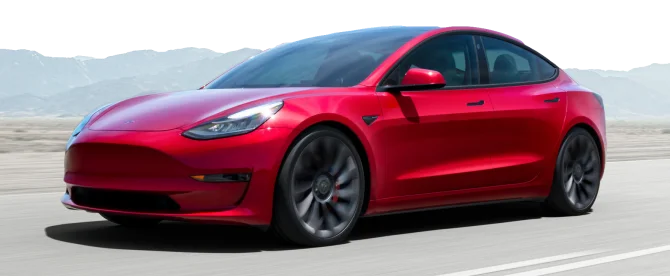
We're here to make sure you get the most comprehensive EV protection. That's why we've partnered with Xcelerate Auto to offer you transparent and dependable Tesla coverage.
Want us to contact you about XCare coverage for your Tesla?

Your protection is our top priority. Your quote is in progress and you will
receive a confirmation
email shortly.

Speak with a vehicle protection plan specialist and get $300 off any new contract instantly.
Spooky Savings: $300 off + FREE Elite Benefits for 1 year!
By clicking the button, you consent to Endurance using automated technology to call, email, and text you using the contact info above, including your wireless number, if provided, regarding auto protection or, in California, mechanical breakdown insurance. You also agree to the Endurance Privacy Policy and Terms and Conditions. Consent is not a condition of purchase, and you can withdraw consent at any time. Message and data rates may apply.
Speak with a vehicle protection plan specialist and get $300 off any new contract instantly.
Call 866-678-4172
or scan the code below

Simply fill out the information below and we will follow up fast with your free no-obligation quote.
By clicking the button, you consent to Endurance using automated technology to call, email, and text you using the contact info above, including your wireless number, if provided, regarding auto protection or, in California, mechanical breakdown insurance. You also agree to the Endurance Privacy Policy and Terms and Conditions. Consent is not a condition of purchase, and you can withdraw consent at any time. Message and data rates may apply.

To speak to a vehicle protection plan specialist and get $300 off any new contract instantly
Scan the code below



Michael O’Connor, a Bay Area writer and marketer, grew up restoring classic cars and learning to drive on the cross-country Americruise car show tour with his father. His interest in writing was inspired by car magazines and the rodding novels of Henry Gregor Felson. Michael is an alum of Sonoma State’s Creative Writing program and has been penning for the automotive industry since 2015.