

Get this deal! Call now.
Speak with a vehicle protection plan specialist and get $300 off any new contract instantly.
Call 866-678-4172
or scan the code below


As humans, we celebrate notable achievements like birthdays, anniversaries, and retirements. However, we tend to take a different approach with our vehicles. Crossing the 100,000-mile mark brings up thoughts of unexpected repair costs and maybe trade-in time for a new car, and it’s a logical concern. According to AAA, once a vehicle reaches 10 years old, it’s twice as likely to require roadside assistance and four times more likely to need a tow.
This doesn’t mean a breakdown is imminent, but it does signal that major components may be nearing the end of their serviceable life—and that the road ahead could mean the most expensive stretch of long-term vehicle ownership.
AAA research puts the average annual cost of owning a new car at $11,577, covering fuel, insurance, depreciation, and maintenance. But that number doesn’t capture the major repairs that tend to surface once a vehicle hits 100,000 to 150,000 miles, and those expenses rarely arrive on a predictable schedule.
Keep reading as we break down the repair economics of owning a high-mileage vehicle. You’ll learn about common trouble spots so that you can plan, mentally and financially.
The psychological barrier to a car reaching 100,000 miles stems from 20th-century vehicles that weren’t designed to last much beyond this point. Modern automobiles, whether a traditional gas model or an electric vehicle, are different. The 100,000-mile mark doesn’t mean the end of life. In fact, you could call it midlife for many cars. Consumer Reports says that a well-maintained vehicle from a reliable brand should last at least 200,000 miles.
The challenge is that there’s no escape from wear and tear as well as age, though your driving habits can certainly influence the rate of decline. Heat cycles stress metal components. Rubber seals and hoses harden over time. And bearings begin to operate less smoothly. After 100,000 miles, these stresses begin to show, regardless of what company built the car.
The timing system is a good example. Timing belts typically require replacement at this mark. Even an engine with a timing chain can develop tensioner wear or guide wear after extended use.
At the same time, the cooling system may require attention. The water pump, thermostat, radiator hoses, and plastic coolant fittings have finite lifespans. Repeated temperature cycles take a toll on these weakened parts.
Suspension components follow a similar pattern but for different reasons. Ride quality and braking power degrade as bushings deteriorate, leading to looseness in control arms and stabilizer links. Meanwhile, struts and shocks are less effective in isolating the chassis against road imperfections.
Accessory drive systems are especially problematic after 100,000 miles. Essential parts like alternators, power steering pumps, and air-conditioning compressors are especially vulnerable to failure. One minute, they can be running only to have a bearing fail after thousands of hours of uneventful operation.
Failures in these components aren’t about neglect or maintenance. These troubles are the result of breakdowns in mechanical systems after years of use and exposure to stress. At this stage of vehicle ownership, the struggle is less about preventing wear (it will happen anyway) and more about managing the rising vehicle maintenance costs associated with aging parts.
As mentioned, the more miles a car has, the greater the chance of needing repairs. Before we dive into pricing examples, you need to be ready for something else: the price of repairs. If it’s been a while since you’ve been to the garage for anything but maintenance, be ready for sticker shock. Federal inflation data shows that motor vehicle maintenance and repair costs have climbed roughly 44% over the past five years, a jump driven largely by higher parts prices, rising shop labor rates, and persistent technician shortages.
Let’s circle back to some of the common 100,000-mile and above repairs mentioned earlier to get a better idea about cost. Using RepairPal data, we’ve compiled repair prices for a few of the more popular vehicles on the road. We’re using the 2016 model year as a benchmark because these examples are likely to have at least 100,000 miles in the real world.
| Repair* | Ford F-150 | Chevrolet Equinox | Toyota Camry | BMW 328i |
| Timing Chain Tensioner | $2,850–$3,847 | $552–$679 | $322–$402 | $903–$1,203 |
| Thermostat | $684–$764 | $579–$707 | $312–$391 | $461–$705 |
| Radiator | $1,786–$2,083 | $1,056–$1,205 | $892–$1,063 | $1,453–$1,624 |
| Struts or Shocks | $883–$1,201 | $1,128–$1,287 | $818–$989 | $3,647–$3,893 |
| Alternator | $984–$1,217 | $517–$568 | $684–$846 | $857–$1,410 |
| Power Steering Pump | $494–$612 | $691–$991* | $783–$986* | $777–$1,665 |
| AC Compressor | $910–$1,116 | $1,123–$1,244 | $1,457–$1,886 | $1,373–$1,963 |
Repair prices are estimates from RepairPal or *Kelly Blue Book and may vary by model, year, location, and repair shop. Always confirm current costs with your service provider or dealership.
As the chart shows, even routine repairs can run into four figures. Service work related to the powertrain can be much more expensive. For example, Endurance claims data shows that the average price of a new engine is over $8,000, while a replacement transmission is nearly $5,000.
The sometimes eye-popping prices of car repairs in today’s environment can make owners worry about unexpected breakdowns. Even well-maintained vehicles can experience sudden failures when components have reached the end of their functional lifespan.
When car owners start researching an extended warranty (also called a vehicle service contract or auto protection plan), it’s natural to wonder about the monthly price. After all, drivers want to know if this protection fits their budget. Yet, there’s another question to consider: how does the cost of coverage compare to potential repair expenses over time?
Let’s refer back to a few repair examples from the chart in the previous section:
With a multi-system vehicle service contract (VSC) starting at about $1,000 per year, according to ConsumerAffairs, a single repair can equal a year or more of coverage payments. Add a second or even third repair to the equation, and the cost comparison may become more favorable in certain situations. If you have an extended warranty, it can be structured as a predictable monthly expense.
Despite rising repair costs, keeping a vehicle beyond 100,000 miles can make financial sense. One of the most significant factors that supports this approach is the high purchase price of a replacement car. According to Cox Automotive, the average price of a brand-new car is over $49,000, with a typical monthly payment of $756. For many families, those elevated driving costs are beyond affordable. Used cars aren’t cheap either, and financing them can be difficult depending on your credit score. CarGurus reports that the average cost of a pre-owned vehicle is almost $27,000, while Experian says the typical used-vehicle loan has a monthly payment of $524.
A hidden cost of owning a new or newer vehicle is depreciation. Some models can lose a significant portion of their value in just the first year, and half their value in the first five years. However, an eight or ten-year-old car with 100,000 miles or more has already taken much of the depreciation hit. For many drivers, having a car without a monthly payment or one that’s almost paid off can significantly change their financial outlook. Even if you have to pay for an extended warranty, the cost may be lower than financing a new vehicle. And keep in mind that higher car insurance premiums and potentially higher fuel costs usually accompany that new car.
In some cases, repair costs can approach or exceed several months of loan payments. That’s why drivers may turn to a vehicle service contract to make the cost of repairing a higher-mileage automobile more predictable.
If you’re considering protecting your higher-mileage car with an extended warranty, it’s vital to understand what this coverage does and doesn’t provide. First of all, a VSC is not usually a maintenance plan. You’re still responsible for oil changes, fluid checks, brake pads, tire rotations, and other recommended services for your car. Although there is one exception. Endurance’s Advantage plan includes up to $3,500 in car maintenance support, including oil changes, tire services, and diagnostics.
Otherwise, an auto protection plan provides safeguards against mechanical failures. A basic powertrain program covers the engine, transmission, and drive axles. There are also mid-tier policies that offer expanded powertrain protection while adding other systems (electrical, cooling, suspension, steering, brakes, air conditioning, and others). Meanwhile, top-level plans offer coverage most similar to a new car warranty. Endurance Supreme is one example. It’s called an exclusionary plan and has the fewest excluded parts compared to other programs.
Owners of higher-mileage automobiles should know that not every vehicle qualifies for an extended warranty. Depending on the car and company, the 100,000-mile threshold may limit coverage availability. However, Endurance offers vehicle service contracts for some high-mileage vehicles. There are even no-mileage-limit options for some cars up to 20 years old.
An Endurance Warranty plan is one way to help manage the risk of unexpected breakdown-related repair costs on a vehicle that’s reached 100,000 miles. We offer a range of plans and payment options, so owners of higher-mileage vehicles can enjoy peace of mind without having to trade them in.
Endurance offers tiered coverage that balances protection and cost. Many plans also come with a choice of deductibles, providing greater financial flexibility. In addition, Endurance offers coverage upgrades for select luxury models, commercial-use vehicles, and modified automobiles.
Yet, Endurance isn’t just about extended warranty protection. Every plan includes 24/7 roadside assistance with towing and lockout services, rental car reimbursement, trip interruption protection, and convenient payment options. Most importantly, Endurance lets you choose any licensed facility for covered repairs, including dealership service departments and specialty shops. In addition, we offer a 30-day money-back guarantee.
Endurance customers are also eligible for one free year of Elite Benefits. You’ll get access to perks worth up to $2,000, including tire repairs and replacements, windshield coverage, collision repair support, and key fob replacements.
Learn what coverage is available by requesting a FREE quote or visiting the Endurance online store for instant plan details and pricing. You can also discuss custom coverage with us. Call (800) 253-8203 to speak with an Endurance representative about all your options.
The Endurance blog is a free resource for car owners. Explore hundreds of expert-written articles that cover DIY advice, maintenance tips, warranty recommendations, and more.




We've received your vehicle information and will contact you shortly with your quote.
— OR —
Start shopping for a coverage plan now.


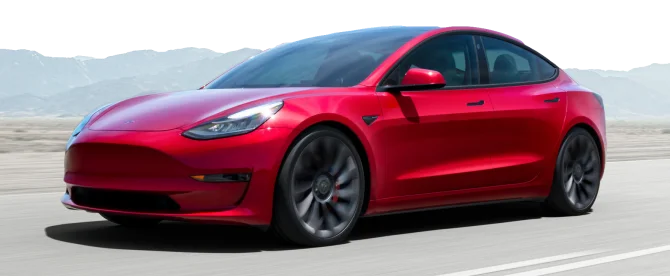
We're here to make sure you get the most comprehensive EV protection. That's why we've partnered with Xcelerate Auto to offer you transparent and dependable Tesla coverage.
Want us to contact you about XCare coverage for your Tesla?

Your protection is our top priority. Your quote is in progress and you will
receive a confirmation
email shortly.

Speak with a vehicle protection plan specialist and get $300 off any new contract instantly.
Spooky Savings: $300 off + FREE Elite Benefits for 1 year!
By clicking the button, you consent to Endurance using automated technology to call, email, and text you using the contact info above, including your wireless number, if provided, regarding auto protection or, in California, mechanical breakdown insurance. You also agree to the Endurance Privacy Policy and Terms and Conditions. Consent is not a condition of purchase, and you can withdraw consent at any time. Message and data rates may apply.
Speak with a vehicle protection plan specialist and get $300 off any new contract instantly.
Call 866-678-4172
or scan the code below

Simply fill out the information below and we will follow up fast with your free no-obligation quote.
By clicking the button, you consent to Endurance using automated technology to call, email, and text you using the contact info above, including your wireless number, if provided, regarding auto protection or, in California, mechanical breakdown insurance. You also agree to the Endurance Privacy Policy and Terms and Conditions. Consent is not a condition of purchase, and you can withdraw consent at any time. Message and data rates may apply.

To speak to a vehicle protection plan specialist and get $300 off any new contract instantly
Scan the code below



Dave is an automotive journalist combining a deep passion for cars, hands-on mechanical experience, and dealership insight. His writing primarily focuses on consumer auto advice and enthusiast pieces. A regular contributor to SlashGear.com and other leading automotive platforms, Dave earned his BA in Journalism from The George Washington University.