

EV Battery Degradation vs Mechanical Failure: What Does Your Warranty Actually Cover?
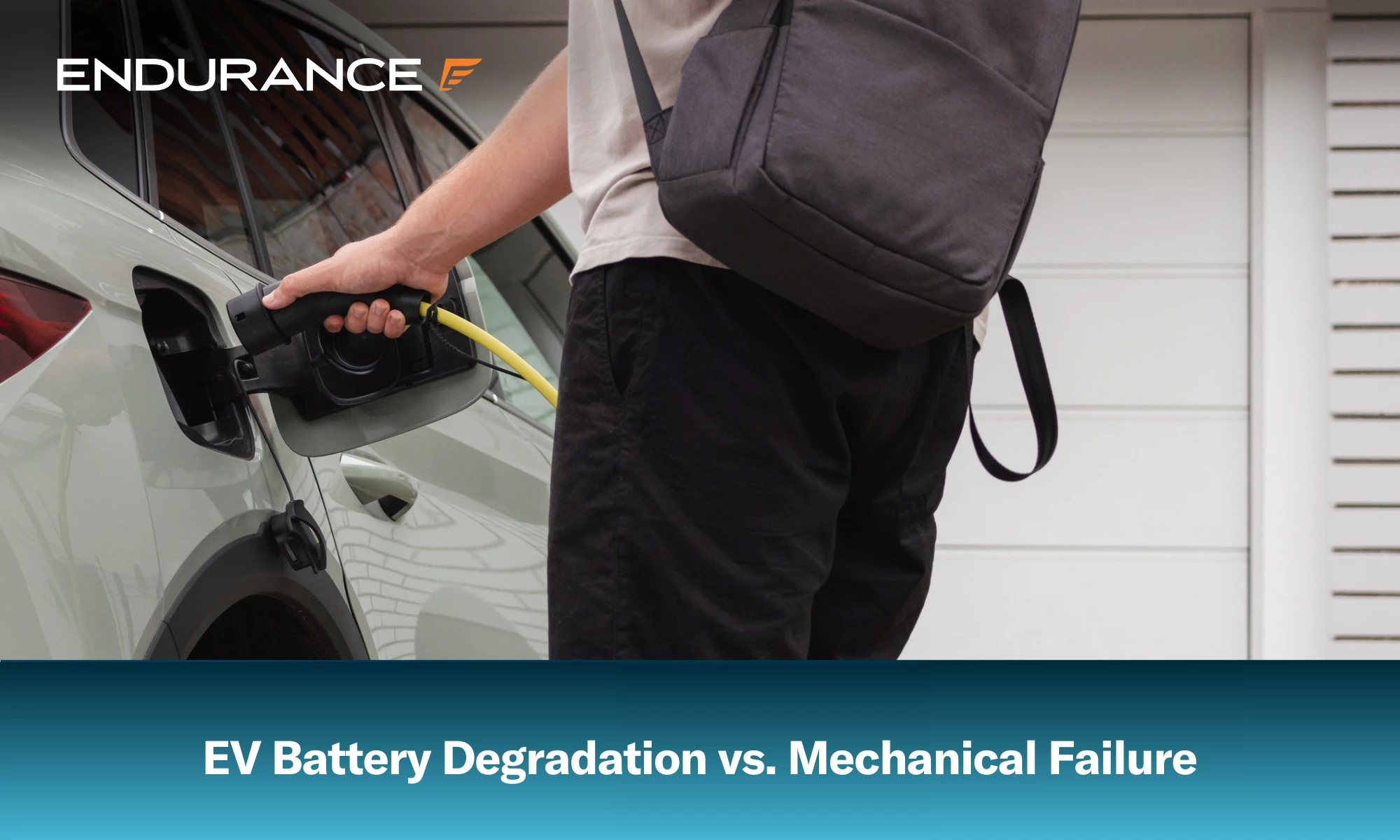
Electric vehicles (EVs) bring a different ownership experience, especially when it comes to understanding how the high-voltage battery is protected. One of the most common areas of confusion involves the difference between normal battery degradation and true mechanical or electrical failure, and your warranty’s fine print. While most EV warranty protection accounts for gradual capacity loss, they’re primarily designed to protect against unexpected component breakdowns.
Understanding where degradation ends and failure begins can help you avoid surprises at the repair shop and make more informed decisions about factory or extended warranty coverage. In practical terms, what an EV warranty covers is built around the expectation that batteries naturally lose some storage capacity over time—similar to how a smartphone battery holds less charge after a few years. The key question is whether reduced driving range is normal aging or a sign of a covered defect. The answer depends on the warranty terms, vehicle age, mileage, and the specific cause of the issue.
EV Warranties: What Is Typically Covered?
An EV vehicle warranty, whether factory or third-party, may include coverage similar to bumper-to-bumper protection for certain components, depending on the manufacturer and plan, drawing a sharp line between a decline in battery performance and a mechanical or electrical failure. Let’s look at what sets these problems apart.
Battery Degradation vs. Battery Failure
Battery degradation occurs gradually due to everyday use and environmental factors. According to Consumer Reports, a modern EV battery loses about 2% capacity annually. Over time, this means a lower driving range than when the car was new. Under this formula, an EV that left the factory with a 300-mile range may only have a capacity of 240 miles after a decade. Of course, some older examples, like the first-generation Nissan Leaf, are notorious for much worse battery degradation. Ultimately, capacity loss is expected and not an indication of a defect.
On the other hand, battery failure is sudden and abnormal. These problems could involve:
- A battery pack or individual module that fails to charge or discharge properly
- A rapid drop in range that can’t be explained by expected degradation
- A battery-related fault that makes the vehicle inoperable or puts the car in “limp mode”
These issues may be covered under a new car warranty. Most electric vehicle manufacturers offer an 8-year or 100,000-mile warranty on EV batteries. However, two brands offer better factory battery coverage. Rivian’s warranty lasts for 8 years or 175,000 miles, while Tesla provides protection for 8 years or 100,000-150,000 miles (depending on the model; the Model 3 is at the lower end of this range).
Battery Management and Cooling Systems Issues
Factory EV warranties may include coverage if battery capacity falls below a specified threshold during the warranty period. Typical parts that fall under this protection include:
- Battery thermal management systems
- Cooling pumps, valves, and lines
- Power electronics that control charging and discharging
- Onboard chargers and inverters
Research shows that many of the most common EV repairs are related to systems that support battery operation, not necessarily the batteries themselves.
How Extended Coverage Fits In
An extended warranty, also called a vehicle service contract or auto protection plan, steps in after the factory warranty expires. However, EVs require specialized coverage due to unique components (like the high-voltage battery and power delivery system) not found in conventional automobiles.
Repairs for an EV can be substantially more than for a car with an internal combustion engine. For example, replacing the battery pack in a Tesla averages $12,000 to $18,000, while a new gas-powered engine costs about $7,600. An extended car warranty for an EV varies widely in cost and coverage. At a minimum, EV owners want protection for:
- High-voltage battery pack
- High-voltage electrical systems
- Battery cooling and regulation components
- Power delivery hardware
Depending on the plan, more comprehensive coverage may be available for protection on other components, such as infotainment hardware and the climate control system.
EV Warranties: What Is Commonly Excluded?
No auto warranty, even one from the factory, covers everything. Understanding the exclusions associated with EV protection can make for a more stable ownership experience. In a nutshell, these safeguards are designed to ensure against unexpected failure, not predictable wear. Let’s look at what this means in practical terms.
Normal Battery Degradation
As covered, factory and extended warranties don’t cover normal capacity loss. Almost all EV makers guarantee that the battery will retain at least 70% of its original capacity for the duration of the factory warranty period. Chevrolet’s threshold for its EVs is 60%. Battery aging is impacted by temperature, charging habits, and usage patterns, all of which are variables influenced by owners.
Environmental and External Damage
Warranties typically have exclusions for damage caused by:
- Flooding or water intrusion
- Accidents or collisions
- Fire or vandalism
Conventional auto insurance would cover these events, not a factory or extended warranty.
Improper Maintenance or Modifications
Making aftermarket changes, such as alterations to charging equipment or software, can void warranty coverage. EVs from the factory are finely tuned machines, so unauthorized modifications can upset the balance set up by the automakers. While EVs have fewer maintenance requirements than conventional cars, they still require regular upkeep. Failure to follow the manufacturer’s service guidelines can be another reason coverage is denied.
Hybrid-Specific Limitations
While hybrid vehicles have a different powertrain setup than EVs, propulsion still involves a degree of electrification. Many extended warranties will cover the hybrid drivetrain except for the high-voltage battery itself.
EV and Hybrid Problems Generally Covered Under Warranty
While EV and hybrid trouble can take many forms, here are a few scenarios that may be covered under a factory or extended warranty, though coverage really depends on your contract details.
Excessive Electric Car Battery Degradation
While a certain amount of EV battery degradation is expected, excessive capacity loss is not. Let’s take the case of a three-year-old EV with 45,000 miles, where a dealership service department test shows battery capacity below the guaranteed minimum threshold of 70%. The battery would be repaired or replaced because the factory EV battery warranty still applies, and the degradation exceeds what the manufacturer defines as usual.
Sudden Charging Failure Related to Cooling Hardware Issues
One day, an EV protected by a vehicle service contract can’t be charged past 40%. A service center diagnostic reveals a failed battery coolant pump, causing the battery pack to overheat during charging. This is a mechanical failure connected to the battery management system, not battery health degradation. In this situation, coverage would depend on the specific terms, exclusions, and authorization requirements of the vehicle service contract.
High-mileage EV with Inverter Failure
A high-mileage EV that’s exceeded the factory warranty limits experiences an inverter failure, preventing power from flowing from the battery to the electric motor that drives the wheels, or even the entire drive unit. The battery is in good condition, but the vehicle can’t be driven. This scenario illustrates how certain higher-tier vehicle service contracts may include inverter coverage, depending on the agreement.
Hybrid Battery Cooling System Failure
While a hybrid with 155,000 miles is no longer eligible for factory protection, an extended warranty can offer coverage, particularly for hybrid components outside of the high-voltage battery (sometimes called the traction battery). For example, diagnostics may indicate that the battery cooling fan and temperature sensor have failed. Under this situation, battery operation may be restricted to prevent overheating. A vehicle service contract could cover the cost of repairs to these supporting electrical and cooling components.
Tesla Battery Module Failure
A Tesla with an extended warranty experiences a rapid loss of driving range and a battery system error message. A diagnostic performed by a qualified technician shows a defective battery module rather than a problem related to expected battery degradation. In this case, coverage for replacing the malfunctioning module would be determined by the specific terms and conditions of the service contract.
How Endurance Handles EV and Hybrid Coverage Differently
Adding extended warranty coverage for an EV or hybrid requires thorough research. You want to look beyond promises and examine precisely what you’re getting. Endurance offers plans with clearly defined coverage terms and exclusions.
Clearly Defined Hybrid Coverage
The high-voltage battery in a hybrid is designed to last far longer than the factory warranty, often making battery replacement a less frequent concern. The greater risk lies in the supporting electrical and mechanical systems, including the transmission and gas-powered engine. Endurance’s approach to protection involves excluding the hybrid battery while covering hundreds of other components. This structure is designed to help balance coverage scope and cost.
Full Tesla Coverage, Including the Battery
Certain Endurance plans may offer coverage options for Tesla vehicles, including select high-voltage battery components, subject to eligibility and contract terms. Given the potential cost of battery repairs and replacements, this safeguard offers peace of mind and more predictable ownership costs.
Identifying Trouble Spots
Recognizing that battery degradation is normal for high-voltage batteries, Endurance structures auto protection plans around unexpected failures. These are the problem areas most likely to disable a vehicle or require costly repairs.
Transparent Contract Language
Endurance contracts spell out covered components and exclusions in plain terms, which matters for used and high-mileage EV buyers trying to assess risk. That transparency helps buyers make informed decisions rather than relying on assumptions about EV battery degradation vs failure.
How an Endurance Warranty Fits EV Owners
Battery degradation is a fact of life for EV owners. However, paying for expensive repair costs out of pocket doesn’t have to be. An extended warranty for your Tesla or hybrid vehicle reduces the worry that can come from a problem with any of the high-tech systems found in today’s electrified cars.
In addition to protection against breakdowns and surprise repair bills, Endurance customers enjoy a range of perks. All plans include 24/7 roadside assistance (with towing and lockout support), rental car reimbursement, and trip interruption protection. Importantly, Endurance plan holders can select any licensed facility for covered repairs, including specialized EV service centers. A 30-day money-back guarantee and flexible payment plans are also part of the package.
Endurance also includes a year of Elite Benefits that provides up to $2,000 in extra services. Get access to tire repairs and replacements, windshield coverage, collision repair discounts, and key fob replacement.*
Learn more about protecting your Tesla or hybrid with an Endurance Warranty plan by requesting a FREE quote or visiting our online store. Custom coverage is also available by calling an Endurance representative at (800) 253-8203.
Check out the Endurance blog for expert-written articles about car ownership, maintenance, warranty advice, and more.












Alex has worked in the automotive service industry for over 20 years. After graduating from one of the country’s top technical schools, he worked as a technician achieving a Master Technician certification. He also has experience as a service advisor and service manager. Read more about Alex.