

Wrap-Up Before Year-End: Top 5 Vehicle Repair Trends of 2025

With 2025 in our rearview mirror, we’re offered a clearer look at how modern automobiles age and need repairs. While there’s no surprise that trouble spots include the engine and transmission, electrical issues are becoming an increasing problem. Adding more complex vehicle technology and technician shortages to the equation makes car ownership that much more challenging. Let’s also not forget that 2025 was a banner year (and not in a good way) for recalls.
At the same time, the growth of hybrid and EV powertrains adds another dimension, making repairs pricier and, in some cases, affecting reliability. According to recent Consumer Reports reliability rankings, a significant portion of the lowest-rated vehicles include plug-in hybrid or fully electric models.
That’s a lot to absorb, but read on as we outline how 2025 is shaping the new year for car owners and how an extended auto warranty might be a wise investment.
The Most Common Vehicle Repairs of 2025
With hundreds of components, modern automobiles are vulnerable to numerous problems, but certain trouble spots stand out, according to AAA research and other data. Here’s a look at some of the more commonly reported repair issues that may affect vehicles as they age. We’ve also included service cost estimates from RepairPal and other sources to help prepare your bank account.
Electrical System
Unsurprisingly, electrical issues sit at the top of the list of repairs waiting to happen. Looking at specific problems, replacing the car battery ($409–$443) wouldn’t be unusual; it typically only lasts three to five years. However, sometimes the underlying cause of a battery failure is an alternator ($744–$1,034) that’s past its prime. Of course, no component lasts forever, evidenced by the likelihood of a faulty starter ($531–$773). Also, in the mix are electronic components such as sensors and control modules.
Cooling System
The quickest route to catastrophic engine failure is a malfunctioning cooling system. Being alert to a troublesome water pump ($849–$1,094) can prevent disaster, but a defective radiator ($1,245–$1,466) or thermostat ($567–$657) can be at the root of the problem. Winter can also bring out trouble with the heater core ($1,322–$1,845), which is connected to the cooling system.
Engine
If there’s any good news about car repairs, it’s that engine replacement isn’t a frequent occurrence in a well-maintained vehicle. However, that doesn’t mean you can completely forget about what’s under the hood. A defective engine control module ($1,120–$1,202) can affect combustion and emissions, among other critical functions. Today’s engines are also reliant on fuel injectors ($763–$966) for smooth operation, creating another potential problem area. Replacing the head gasket ($2,457–$3,219) is another common engine repair, as is swapping out the fuel pump ($1,226–$1,479).
Transmission
Transmission trouble is another concern for car owners in 2025 and the years ahead. With luck, this doesn’t involve replacing the gearbox, but there are other areas to worry about, starting with the clutch assembly ($1,589–$2,003). The cost to replace the torque converter varies significantly by vehicle, but expect to pay at least $600 to $1,000. Transmission issues can also involve the pump or solenoids.
Recalls
A discussion of common auto repairs in 2025 wouldn’t be complete without mentioning recalls, especially for Ford owners. The Blue Oval announced 134 separate safety campaigns for this year alone. Although the automaker had record-setting recalls involving over eight million vehicles, these problems weren’t exclusive to Ford. Chrysler had 46 recalls, followed by General Motors and Volkswagen, with 36 and 20 announcements, respectively. Hyundai, Mercedes-Benz, Honda, and BMW each had at least 14 recalls in 2025.
Of course, recalls can involve a broad range of vehicle systems; just don’t be surprised if your car is involved. Repairs related to confirmed recalls are generally completed at no cost through the manufacturer. Regularly checking your vehicle for recalls at the National Highway Traffic Safety Administration (NHTSA) website can help you stay on top of these issues.
The Vehicles with the Highest Repair Rates
To examine cars with the highest repair rates, we turned to Consumer Reports’ list of the least reliable vehicles. Significantly, two brands (Jeep and Ford) appear multiple times among the models with below-average reliability. Here’s another shocker (pun intended): A meaningful share of the vehicles listed include some form of powertrain electrification (all-electric or hybrid). We’ll explore this more in the next section, but here are the models that Consumer Reports has identified as having below-average reliability in recent rankings. We’ve highlighted the most significant trouble spots, which can vary by model year.
Volkswagen ID.4
Problem Areas: EV battery, charging, steering, suspension, and electronics.
VW’s first purpose-built EV for the U.S. has been around since the 2021 model year. Since this time, its reliability ratings have ranged from poor to below average.
Genesis G70
Problem Areas: Engine, transmission, brakes, climate system, and electronics.
The least expensive model from Hyundai’s luxury division has below-average reliability ratings for the 2022 and 2023 model years (the only G70s analyzed by CR).
Ford F-150 Lightning
Problem Areas: EV battery, charging, suspension, and electronics.
Ford’s first all-electric pickup introduced new technology but has received lower reliability scores in some recent evaluations. The 2023 edition has a poor reliability score.
Jeep Wrangler
Problem Areas: Engine, suspension, brakes, and climate system.
While a proven off-road adventurer, the Wrangler has consistently ranked poorly, or at best, below average, for overall reliability.
Nissan Frontier
Problem Areas: Transmission and brakes.
Nissan launched the third-generation Frontier for the 2022 model year. However, the new design didn’t lead to any substantial improvement in dependability.
Jeep Grand Cherokee
Problem Areas: Engine, transmission, suspension, and steering.
The Grand Cherokee has been an integral part of Jeep’s lineup for over 30 years. A redesigned version launched for the 2022 model year with particularly poor reliability scores that didn’t improve much for the following year.
Jeep Grand Cherokee L
Problem Areas: Engine, transmission, suspension, steering, climate system, and electronics.
The three-row version of the Grand Cherokee debuted in 2021 and shares many of the same trouble spots as its two-row sibling. This is the third Jeep on this list of the ten least reliable vehicles.
Ford Escape Hybrid
Problem Areas: Hybrid battery, brakes, and electronics.
The Escape’s sleek looks and spacious-for-its-size cabin can’t overcome consistent issues with the high-voltage battery, an essential component of every hybrid.
Rivian R1T
Problem Areas: EV battery, charging, brakes, and electronics.
Rivian deserves credit for launching the first mass-production all-electric pickup in the U.S. However, the R1T’s pioneering status is accompanied by reliability issues in vital systems.
Chevrolet Colorado
Problem Areas: Engine and electronics.
The newest generation of Chevy’s midsize pickup has improved since its 2023 release. However, it still earns poor reliability scores from CR.
GMC Canyon
Problem Areas: Engine and electronics.
The Canyon is the corporate clone of the Colorado and shares the same weak spots with its Chevrolet counterpart.
Ford F-150 Hybrid
Problem Areas: Transmission, hybrid battery, climate system, and electronics.
The hybrid version of the Blue Oval’s best-seller is the second F-150 and third Ford to make this roster.
Emerging Trends in EV and Hybrid Warranty Repairs
 Electrified vehicles are no longer niche products. Even though interest in all-electric vehicles is cooling off, hybrids are picking up the slack. The latest-generation Toyota Camry is only available as a hybrid, and the newest version of the Toyota RAV4 will follow suit when it debuts for the 2026 model year. Meanwhile, Subaru has launched the Forester Hybrid, and Nissan is promising a hybrid version of the Rogue. Electrification in the auto industry continues to expand, while long-term reliability data for some newer systems is still developing.
Reliability Findings
A 2023 Consumer Reports study finds that some hybrid systems are better than others (think Asian brands), while plug-in hybrid and all-electric platforms appear to have a concentration of reliability issues among electrified vehicles. The problems typically center on electric motors, charging, and battery cooling.
Repair-Shop Challenges
Owners of electrified vehicles face limited repair options for hybrid and EV systems outside of authorized dealerships. A 2025 study indicates that independent shops face several challenges, including hiring qualified high-voltage technicians, maintaining up-to-date diagnostic software, and obtaining affordable parts. Add in inconsistent right-to-repair laws between states and the lack of federal oversight, and in some cases, owners of electrified vehicles may have limited service options outside of authorized dealerships.
Repair Costs
While vehicles with conventional internal combustion engines can have their share of expensive repairs, electrification adds a new layer of complexity. A high-voltage hybrid battery can cost $5,000, which seems relatively inexpensive compared to a hybrid inverter assembly replacement with a price tag of up to $8,000.
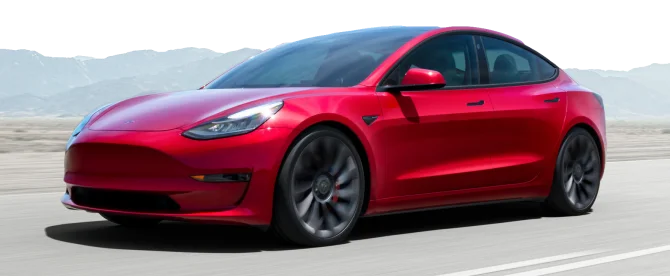
What is the cost to replace the main battery in a Tesla? About $15,000 to $22,000, according to Recurrent. All of this underscores the importance of understanding what a vehicle service contract or extended warranty covers when protecting an out-of-warranty EV or hybrid.
What These Patterns Mean for Drivers in 2026
While crystal balls are sometimes cloudy, data from 2025 point to identifiable trends in 2026 that all car owners need to be aware of.
Rising Diagnostic Labor Rates
Don’t expect car repairs to get cheaper. A persistent shortage of skilled technicians drives higher salaries, which in turn increase hourly shop rates.
Electronics Dominate Repairs
Conventionally powered cars may still need belts, hoses, pads, and rotors. Yet, service work on more and more vehicles involves defective sensors, modules, and control systems, regardless of what drives the wheels. This trend is a contributing factor to the technician shortage.
EV/Hybrid Complexity
Dovetailing off the rise of automotive electronics are advanced electrified systems that require specialized labor and expensive components. In some cases, a charge-port malfunction or battery thermal management issue can’t be fixed at your local gas station.
Higher Risk for Long-Term Owners
No matter what you drive, there’s no escaping that the longer you own a car, the greater the risk of an expensive repair. Endurance Warranty claims data show that the average price to replace a transmission is almost $4,700, while a new engine costs over $7,600. This is where analyzing extended warranty statistics can help determine the value and peace of mind of an auto protection plan.
How 2025’s Repair Trends Shape Smarter Decisions Next Year
The approaching new year is an excellent time to look at current costs and plan for future expenses. For many, keeping a car on the road is a significant outlay, made worse by unplanned repairs. As you’ve read, it’s not going to get cheaper as vehicles are more complex and repairs become more costly.
Consider what you’re driving now. Review its recall history, reliability record, condition, and anticipated driving habits. Is the vehicle still covered by a factory warranty, or are you driving unprotected? Can you afford a $1,000 repair? What if the bill rises to $2,500 or $5,000? These are all questions you need to answer so you can drive into 2026 with confidence.
Drivers choose Endurance to help manage the risk of expensive repair bills. Our basic powertrain protection plans cover the engine, transmission, and drive axles. Upgraded plans safeguard more systems, such as electrical, air conditioning, steering, brakes, suspension, and high-tech electronics. There are options for hybrids and Tesla EVs. Endurance Supreme is an exclusionary vehicle service contract that offers broad component coverage.
Be Ready for the Road Ahead with Endurance
Explore your auto protection options by securing a FREE quote or visiting the Endurance online store for instant plan and pricing information. You can also give us a call at (800) 253-8203 for personalized support.
Endurance adds extra value as every plan includes 24/7 roadside assistance with towing, rental car reimbursement, trip interruption protection, deductible options, and your choice of any licensed facility for covered repairs.
Learn more about your car through DIY advice, warranty insights, repair tips, and other articles in the Endurance blog.










Dave is an automotive journalist combining a deep passion for cars, hands-on mechanical experience, and dealership insight. His writing primarily focuses on consumer auto advice and enthusiast pieces. A regular contributor to SlashGear.com and other leading automotive platforms, Dave earned his BA in Journalism from The George Washington University.