

Rear Main Seal Replacement Cost: What Drivers Should Expect
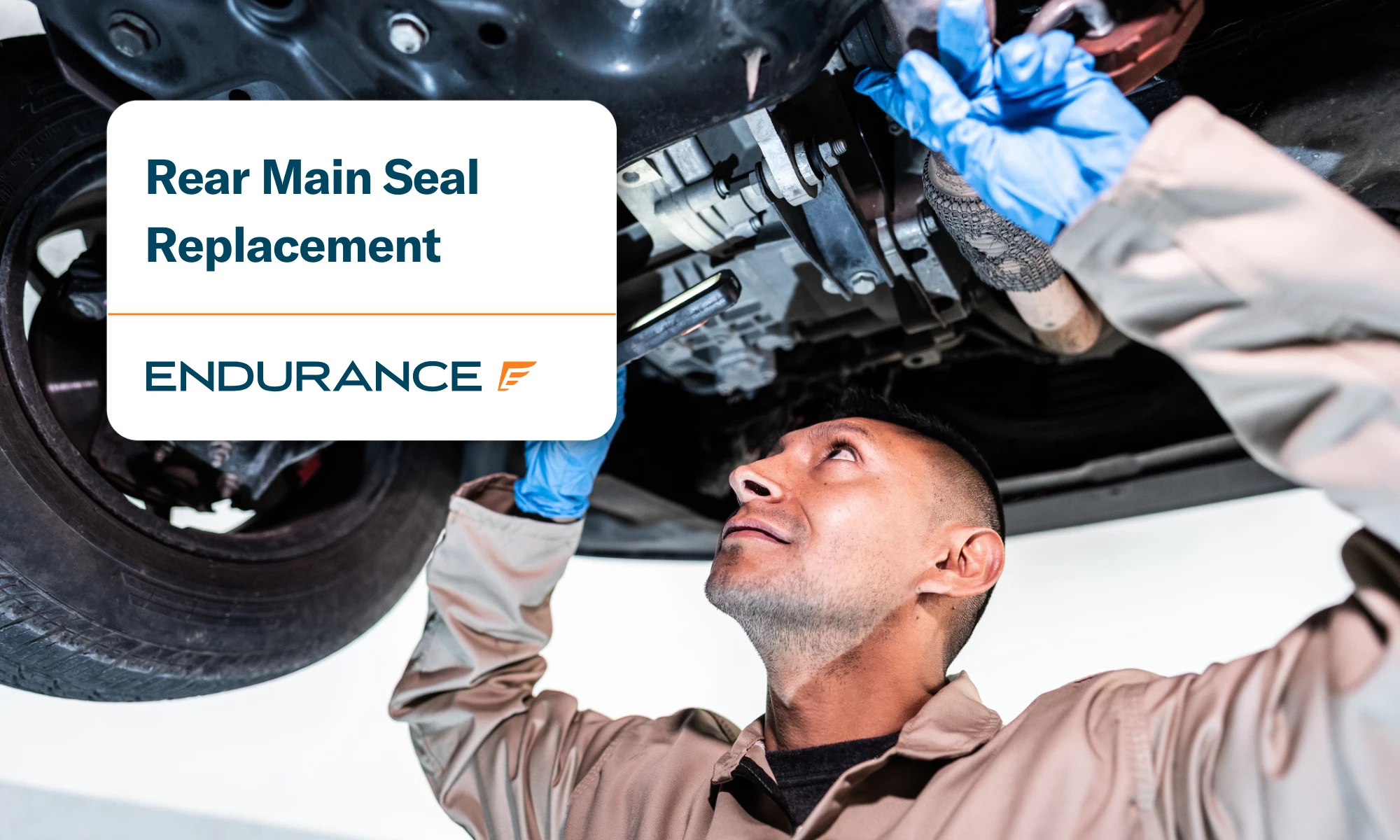
If you have ever pulled out of your parking spot and noticed a puddle, you know how disheartening it can be. Any kind of leak from your vehicle is a cause for concern, but it can be especially scary if your car is leaking oil. This usually means that you have some kind of serious issue with the structure of your engine, and the rear main seal is a good place to start.
This seal is located where the transmission meets the crankshaft, and it is there to specifically keep oil from leaking out of the drivetrain. When it wears out, it needs to be replaced, and the repair cost of rear main seal replacement can range from $600 to $1,200+, depending on your vehicle and where you take it.
Knowing what symptoms to look for and what you should expect from a rear main seal replacement will help you be ready when the time comes.
What the Rear Main Seal Does and Why It Leaks
Your car’s engine needs to have a tight seal at all times if it is going to perform correctly. Motor oil, in particular, needs to be directed to the correct components, and it is especially important when it comes to your crankshaft. Because of the joints of some components, though, there are several areas where oil could potentially leak, which is why the rear main seal is so important. This seal is usually made of a rubber or silicone compound, and it is meant to withstand years of extreme heat due to the crankshaft turning at high speeds. The rear main seal is designed to be as durable as possible and to last for the lifetime of the car. In some cases, though, it can wear out early and will have to be replaced to prevent oil from leaking out of the engine.
There are quite a few reasons why a rear main seal might wear out early. One of the most common is simple premature wear. If the seal is not as high-quality as it should be, the rubber can harden and lose elasticity. It may also wear out if you don’t stay on top of your oil changes. Dirty or contaminated oil can break down the seal, which is why it is so important to keep up with routine maintenance. In some cases, wear on your crankshaft can also cause the seal to fail. Grooves or pitting in the crankshaft or excess oil pressure will cause premature wear, and you will have to replace the seal before the car starts dumping oil.
Symptoms You’ll Notice and How Shops Confirm the Issue
The first thing you will notice when your rear main seal starts to wear out is the prevalence of puddles underneath your car. If the seal is worn, the puddles will usually be near the transmission instead of underneath the engine, which is a sign that the seal is the source of the leak. You may also notice the smell of burning oil or smoke, which happens when the oil leaks onto the hot exhaust components. If possible, take a look at the transmission bell housing and look for any signs of a leak. If you see dripping, this is a sure sign that the rear main seal needs to be replaced.
Because replacing this seal is so expensive, any shop will want to make absolutely sure that it is the source of an oil leak. To do this, they will do a visual inspection that involves adding a UV dye to the oil. This allows them to trace the leak and find out where it is truly coming from. If it appears that the leak is coming from the connection between the engine and the transmission, the rear main seal is likely the issue. This inspection allows the technicians to rule out other sources of a leak, such as the head gasket, oil plug, or oil pan gasket. You want to be absolutely sure that the rear main seal is the problem because it is an incredibly labor-intensive job to replace it.
Parts, Labor Hours, and Typical Price Ranges
The cost of replacing a rear main seal can be high, but it isn’t because the OEM auto part itself is expensive. In fact, the seal will usually only cost somewhere between $20 and $80. However, the labor that is required in order to get to it is what drives the total cost up so much. To get to this seal, technicians will have to remove the transmission and the flywheel. In some cases, they will even have to remove the entire engine and then reinstall everything just to replace the seal.
The replacement process can require anywhere between six and ten hours of labor for a standard compact vehicle and much longer if your vehicle has four-wheel drive. With average independent shop labor rates being between $120 and $200 per hour, and even more at the dealership, you could be facing a large bill when all is said and done. For the most part, you can expect the replacement to cost between $600 and $1,200 for a car, $1,000 to $2,000 for a truck or SUV, and $1,500 to $3,000 for a luxury or high-performance vehicle.
Related Repairs Often Done “While You’re In There”
One of the benefits of needing a new rear main seal is that you then have the opportunity to get other repairs done. It is always going to be costly to pull the entire engine out of the vehicle, and if you have any other issues that seem to be popping up, it might be a good idea to get them repaired so you won’t have to pay for the labor hours again further down the line. If, for example, you need a clutch replacement for a manual car, this is the perfect time to get it done. You may also want the shop to replace the oil pan gasket and to resurface the flywheel. While these tasks will certainly increase the amount of money you have to pay at the end, it will end up being cheaper in the long run since the engine will already be taken apart.
Preventive Habits That Help Seals Last Longer
Your best bet will always be to prevent a rear main seal replacement as best you can. The most important thing to do if you want to avoid a replacement is to change your engine oil regularly. This keeps the seal from drying out and stops contaminants from getting into the engine and accelerating deterioration. Changing the oil once every 3,500 to 7,000 miles is usually recommended, but it is always a good idea to check your owner’s manual for the proper intervals.
You will also want to address any small leaks as soon as you notice them. A valve cover or oil pan leak can reduce the amount of oil in the engine, which will, in turn, dry out the rear main seal. The same thing can happen if you don’t start and drive your car often enough. A car that has been sitting for a long time will not have oil being pushed through the system, which will damage the seal and cause issues down the line.
Addressing any issues early is the best thing you can do for your vehicle and your bank account. That is why it is so important to have a protection plan in place. An extended car warranty, also known as a vehicle service contract (VSC), can help cover repairs for leaks and other issues that may lead to a rear main seal failure. A provider that offers plans that cover seals and gaskets, such as Endurance’s Supreme plan, will ensure that you don’t get stuck with a massive repair bill if your seals go bad.
Keep Your Oil In the Engine With Endurance
When you notice puddles underneath your vehicle from a rear main seal leak, you need an extended warranty or auto protection plan you can count on. Endurance offers a wide range of vehicle service plans for cars and drivers of all kinds, whether you have an older high-mileage vehicle or a top-notch luxury car. There are even plans available for vehicles that other providers may not cover, such as Canadian Gray Market cars, vehicles with a salvage or rebuilt title, and cars used for commercial purposes like rideshare or delivery.
In addition to comprehensive coverage that will keep you on the road, Endurance also offers a large collection of extra perks and benefits. These include features such as 24/7 roadside assistance, towing services, rental car reimbursement, and trip interruption protection. Plus, you can also access Endurance’s Elite Benefits add-on, which includes tire repair or replacement, key fob replacement, collision discounts, and windshield coverage.*
When you are ready for the ultimate protection for your car, contact our award-winning team at (800) 253-8203 for a FREE quote. You can also shop online for an instant price preview.
For more auto expert advice, head over to the Endurance Warranty blog. There, you will find DIY tips, provider comparisons, and other helpful articles on Chevy vehicles, Ford, Toyota, and more.











Michael O’Connor, a Bay Area writer and marketer, grew up restoring classic cars and learning to drive on the cross-country Americruise car show tour with his father. His interest in writing was inspired by car magazines and the rodding novels of Henry Gregor Felson. Michael is an alum of Sonoma State’s Creative Writing program and has been penning for the automotive industry since 2015.