

Get this deal! Call now.
Speak with a vehicle protection plan specialist and get $300 off any new contract instantly.
Call 866-678-4172
or scan the code below
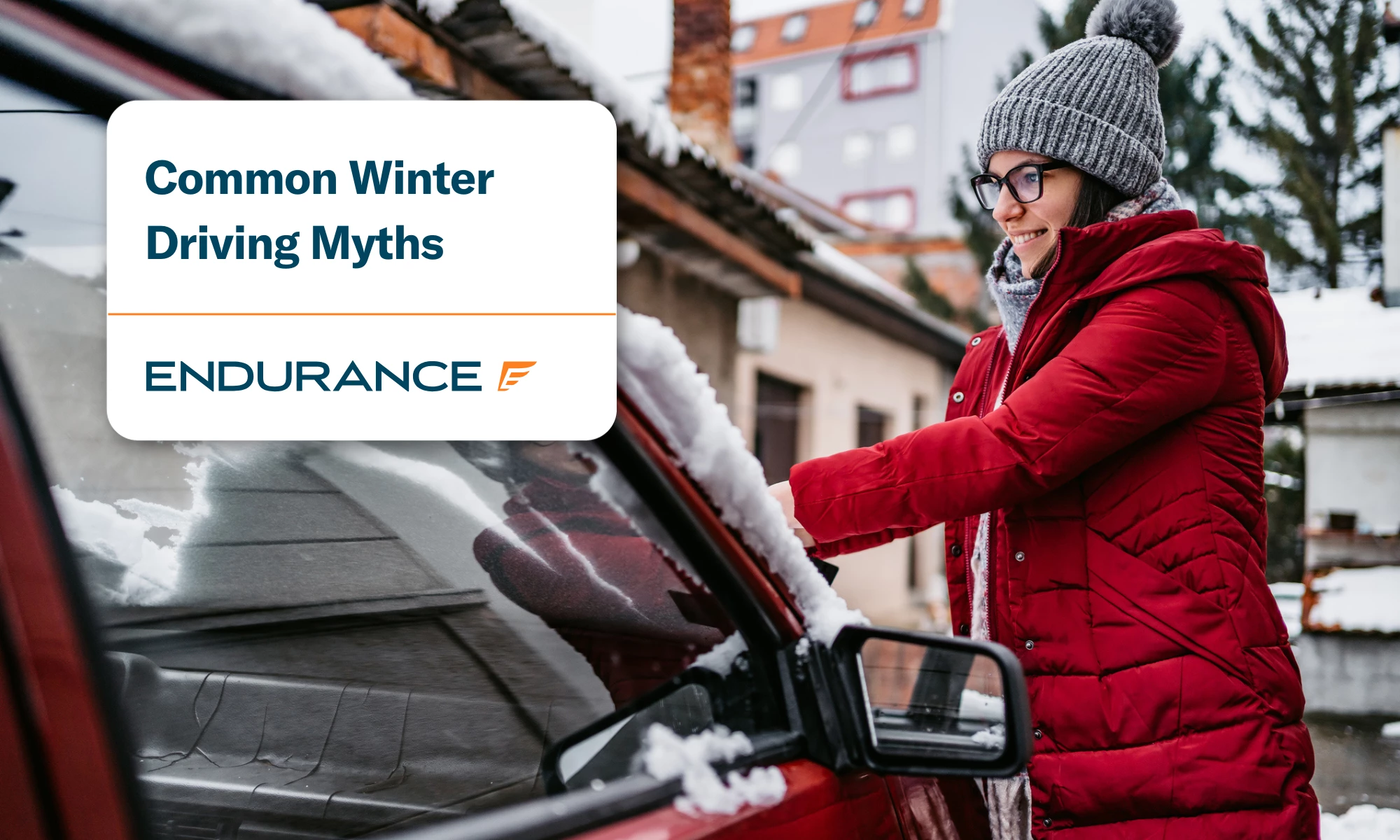
Packing the car and heading out on a family road trip can be an enjoyable experience. However, it does come with its challenges, especially in the winter. Before you search the internet for helpful winter car safety tips, find out what’s factual and what’s not. Do we really need to warm our engines before driving away? Should we lower tire pressure in cold weather? Is it actually safe to clear the ice on a car’s windshield by melting it with hot water?
Don’t become a victim of misleading information. Keep reading to learn which snow driving mistakes to avoid and how to care for your car this winter.
One of the most common winter driving myths is that your car’s engine needs time to warm up before you get in and drive away. Although your body might need more time to warm up, a modern car’s engine does not. In fact, idling, or keeping your car running while it isn’t actually moving, can damage the engine and waste gas. Since technology has improved, gas engines now warm faster, especially once you’re on the road.
If you dread sitting inside a cold car, don’t be shy with the heat. Crank it up to warm the cabin faster and turn on your car’s heated seats (if you have them). Because this luxury is an electrical perk, you don’t have to worry about consuming extra fuel to warm up your seats.
No heated seats in your car? No problem. Several stores, like Walmart and Target, and automotive retailers, like Advanced Auto Parts, sell heated seat covers. Some products even offer a bonus massage option.
Have you ever heard the cold-weather driving advice that lowering tire pressure creates better traction for winter conditions? This information is false. In reality, cold temperatures typically cause tire pressure to drop on its own. Therefore, checking the PSI is an essential part of vehicle maintenance, ensuring proper inflation and that your tires are safe for winter road driving.
The fastest way to confirm your tires’ recommended PSI is to check your owner’s manual or the sticker on the driver’s side door jamb. Your tires will also have a printed number. However, this number indicates the maximum pressure they can hold, which is not the recommended number.
When improving your traction is a concern, one of the best steps you can take is to invest in a dependable set of winter tires. However, don’t be fooled by the notion that installing two winter tires is acceptable. It’s not. Having two different types of tires on your car—i.e., a mix of snow and all-season tires—can create an imbalance in traction and handling, leading to a loss of control. Instead, install only four winter tires.
Tire manufacturers specifically design the rubber compound of a winter tire to grip the road with a deeper tread, enhancing your ability to start, stop, and steer your car in winter weather. Popular tire brands include:
Vehicle ownership isn’t cheap. But there are steps you can take to avoid expensive winter car care mistakes. What are some of the most inaccurate and even dangerous pointers we’ve seen on the internet? Read on.
Wrong. The combination of freezing temperatures and a low gas tank can lead to a blocked fuel line and a car that won’t start. If you’re running on E, don’t hesitate to stop at the gas station and add a few gallons to your tank. Along with the potential damage a low gas tank can cause, finding yourself stranded in a storm or stuck on the highway can lead to greater inconveniences and cold-weather risks. Instead, try to keep your tank half full, if not a quarter full, at all times.
Wrong. Causing an extreme temperature change, like pouring hot water on a frozen windshield, can crack the glass. And when temperatures are well below freezing, that hot water can turn back into ice fast. Further, any water that drips to the snowy ground can create slick patches where you’re walking. The last thing you want is to generate more ice and/or cause a slip-and-fall. Instead, turn on your car’s front and rear defrosters to help streamline the warm-up process, and use a solid ice scraper to clear your car windows.
Wrong. Road salt accelerates corrosion and can damage your car’s undercarriage, brake lines, and places where the paint has worn away. The best preventive measure is to keep your vehicle clean, washing away any salt debris so that it doesn’t build up and cause future deterioration or rust.
Wrong. Not only is staying on top of routine maintenance a critical part of car ownership, but it’s also something you should attend to before traveling in the winter. To start, schedule an appointment with a licensed mechanic to check your battery, brakes, headlights, wiper blades, air filters, etc. If you haven’t had your tires rotated or balanced recently, the auto repair shop can inspect them and ensure they are in good condition for winter road travel. Also, get an oil change. Fresh oil will help your engine run smoothly and efficiently. Do you drive an EV? You can reduce battery drain by keeping it charged.
While the season of snow and ice can be unpredictable, there are several holiday driving safety tips that can help you get to your family and friends safely. After all, a little holiday road trip prep can significantly improve your peace of mind and those traveling with you.
As you get ready for the holiday season, avoid common misconceptions like those mentioned above and practice good driving habits to prepare for winter travel. This means getting your car serviced so it’s ready for any winter conditions you encounter when driving and ensuring you and your passengers are safe along the way.
It’s also important to consider an extended car warranty or vehicle service contract (VSC) for added peace of mind before you leave. Endurance Warranty Services offers protection for unexpected repair costs while traveling. If you don’t have an active warranty on your vehicle, we’ve got you covered with breakdown coverage, 24/7 roadside assistance, rental car reimbursement, and more.
Contact an Endurance representative at (800) 253-8203 for personalized assistance, or request a FREE quote for more information. You can also explore our online store to see your price and plan recommendations tailored to your needs.

We've received your vehicle information and will contact you shortly with your quote.
— OR —
Start shopping for a coverage plan now.


We're here to make sure you get the most comprehensive EV protection. That's why we've partnered with Xcelerate Auto to offer you transparent and dependable Tesla coverage.
Want us to contact you about XCare coverage for your Tesla?

Your protection is our top priority. Your quote is in progress and you will
receive a confirmation
email shortly.

Speak with a vehicle protection plan specialist and get $300 off any new contract instantly.
$300 off + FREE Elite Benefits for 1 year!
By clicking the button, you consent to Endurance using automated technology to call, email, and text you using the contact info above, including your wireless number, if provided, regarding auto protection or, in California, mechanical breakdown insurance. You also agree to the Endurance Privacy Policy and Terms and Conditions. Consent is not a condition of purchase, and you can withdraw consent at any time. Message and data rates may apply.
Speak with a vehicle protection plan specialist and get $300 off any new contract instantly.
Call 866-678-4172
or scan the code below

Simply fill out the information below and we will follow up fast with your free no-obligation quote.
By clicking the button, you consent to Endurance using automated technology to call, email, and text you using the contact info above, including your wireless number, if provided, regarding auto protection or, in California, mechanical breakdown insurance. You also agree to the Endurance Privacy Policy and Terms and Conditions. Consent is not a condition of purchase, and you can withdraw consent at any time. Message and data rates may apply.

To speak to a vehicle protection plan specialist and get $300 off any new contract instantly
Scan the code below


Alex has worked in the automotive service industry for over 20 years. After graduating from one of the country’s top technical schools, he worked as a technician achieving a Master Technician certification. He also has experience as a service advisor and service manager. Read more about Alex.