

Why Electric Vehicles Tend to Require More Frequent Tire Replacements
Electric vehicles (EVs) have earned a reputation for being cheaper to own and operate than traditional gasoline-powered cars. Since they have no internal combustion engine, they don’t require things like oil changes, spark plug replacements, or transmission. This means that EVs can have lower maintenance costs on top of not needing gasoline. Tire replacements, though, are often overlooked as one of the more costly upkeep procedures that EV owners have to deal with.
While EVs generally require less routine maintenance overall, many models tend to wear tires more quickly than comparable gasoline-powered vehicles because of their weight, instant torque, and driving characteristics. The combination of a heavy battery pack, instant torque delivery, and regenerative braking creates wear patterns that can shorten the life of a tire significantly and contribute to more replacements than you might be used to. Knowing why EVs require more tire replacements and how you can be prepared will help you make the most of your electric vehicle purchase.
Why EVs Wear Tires Faster: Weight, Torque, and Regen
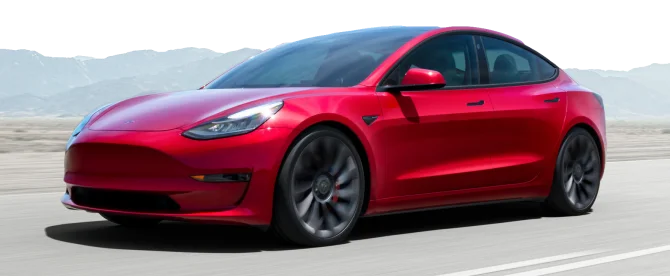
One of the biggest factors behind the premature wear of tires on EVs is the added weight. While EVs do not have big gas-powered engines, their massive battery packs contribute to a much higher curb weight than a standard vehicle. Depending on the make and model, an electric car may weigh between 500 and 1,500 pounds more than a comparable gas model. For example, the Tesla Model 3 weighs roughly 4,034 pounds — about 1,000 pounds heavier than a comparably sized Toyota Corolla. The Ford F-150 Lightning tips the scales at approximately 6,500 pounds versus 5,000 for the gasoline F-150.
Different torque delivery is another concern for EV owners. Unlike gas-powered cars, EVs deliver torque to the wheels instantly instead of spreading it out throughout all the moving parts of a vehicle’s engine. Because electric motors deliver maximum torque almost immediately, aggressive acceleration can place greater stress on the tires and contribute to faster tread wear. Over the course of thousands of launches from a stop, this will damage the tires and cause them to develop wear spots across the entire unit.
Electric vehicles also utilize regenerative braking to bring the car to a stop. This is the process of using the electric motor to slow down the vehicle instead of relying solely on friction brake pads. While this can make brake pads last significantly longer, the deceleration force transfers weight forward onto the front tires more aggressively than conventional coasting, creating uneven front-to-rear wear patterns that make regular tire rotations especially important for EV owners. All of these factors contribute to excess wear, so it is important to know what to expect if you decide to switch to an electric car.
What Replacement Actually Costs and How Often It Happens
When the time comes to replace your EV tires, you want to know what the costs might be. EV-specific tires usually cost between $150 and $300 per tire, making a complete set run between $600 and $1,200 before installation and balancing. These tires are engineered with reinforced sidewalls and compounds optimized for heavier loads and instant torque. In contrast, standard all-season tires typically run $80 to $170 each, and fitting non-EV tires to an EV can accelerate wear by an additional 5–20% beyond what EV-specific tires would deliver.
According to Michelin, EVs wear tires roughly 20% faster on average, with Bridgestone research suggesting the gap widens to 30–40% for heavier or performance-oriented EVs. In J.D. Power’s 2024 study, 39% of battery electric vehicle owners replaced their tires at least once in the past year, compared to just 20% of gas car owners. Over the life of the vehicle, this faster wear rate can add one to two additional full tire replacements to your ownership costs.
How to Extend EV Tire Life
While the longevity of EV tires is not as long as that of traditional gas vehicles, tire life is not completely out of your control. Properly maintaining your tires can go a long way toward keeping them in good shape for longer. Regular tire rotations prevent uneven wear and allow you to use up as much of the usable tread as possible.
The same goes for keeping your tires properly inflated, as this will decrease rolling resistance and stress on the tires. Perhaps most importantly, though, driving carefully and intentionally will prevent unnecessary wear and keep your tires from spinning when you accelerate. By doing everything you can to keep your tires in good shape, you can save a lot of money over the years.
The Maintenance Math: What EV Owners Actually Save vs. What They Spend
While electric vehicles require more tire maintenance than standard gas vehicles, they generally require less routine maintenance than comparable gasoline-powered vehicles because they eliminate services such as oil changes and have fewer engine-related maintenance items. Without the need for things like oil changes, filter replacements, fuel system repairs, and other internal combustion engine upkeep, you can shave quite a bit of money off your annual vehicle costs.
However, that doesn’t mean that there are no maintenance costs associated with an EV. You will still need to replace brake pads eventually, although regenerative braking often extends brake pad life compared with many gasoline-powered vehicles. Saving on fuel costs and maintenance can be effective, but new tires tend to represent a larger share of the vehicle upkeep than new owners expect.
What This Means for Used EV Buyers
When buying a used electric vehicle, always consider the condition of the tires before making a decision. If an EV has more than 40,000 miles on it, it may already be due for a tire replacement, and this can end up costing up to $1,200 more than you expected to pay for the vehicle. Be sure to look at things like tread depth, tire age, rotation history, and overall wear patterns on the tires of any used EV. Factoring tire replacements into a used EV purchase will help you avoid surprises once the sale is made.
Protect Your EV With Endurance
As the owner of an electric car, unexpected repair costs are not limited to the tires. EVs have many sensitive electrical components along with many of the standard parts that can fail just like they can on a traditional vehicle. That means you may benefit from an extended car warranty or auto protection plan for additional coverage.
Endurance Warranty Services offers plans that cover electric vehicles, such as Tesla models and their batteries. Hybrid vehicle coverage is also available; however, hybrid batteries are not included.
Endurance plans come with standard perks as well, so you can stay safe on the road. These include 24/7 roadside assistance, towing service, travel interruption protection, and rental car reimbursement. Plus, new customers gain access to the Elite Benefits program, free for one year, which includes tire repair or replacement, windshield coverage, key fob replacement, and more.
If you need the best protection for your EV, get in touch with our plan advisors at (800) 253-8203 for your FREE quote. If you’d like to see your price right away, you can shop online for an instant price preview.
For more auto expert resources, be sure to check out the Endurance Warranty blog. There, you will find provider comparisons, DIY tips, and much, much more.












Michael O’Connor, a Bay Area writer and marketer, grew up restoring classic cars and learning to drive on the cross-country Americruise car show tour with his father. His interest in writing was inspired by car magazines and the rodding novels of Henry Gregor Felson. Michael is an alum of Sonoma State’s Creative Writing program and has been penning for the automotive industry since 2015.